
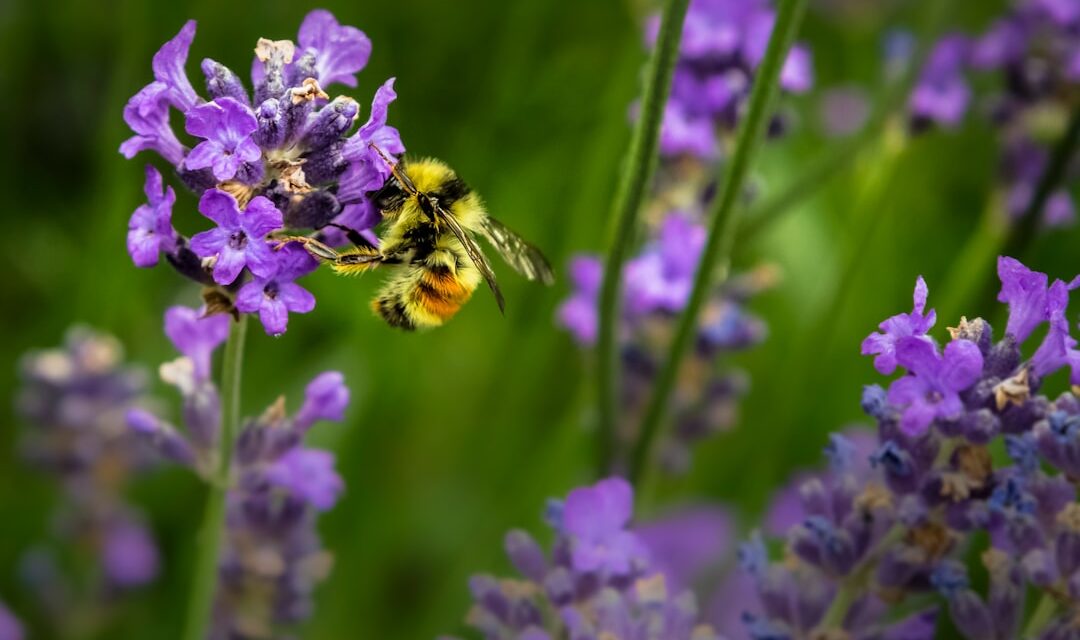
Understanding Different Bee Species
Honey bees: Their role and challenges
Honey bees (Apis mellifera) have become the face of pollination worldwide. These non-native, social insects are managed extensively for agricultural pollination services and honey production. Their colonies, containing thousands of workers, a queen, and male drones, represent one of humanity’s oldest examples of animal husbandry.
Despite their non-native status in North America, honey bees contribute significantly to our agricultural economy. They pollinate approximately $15 billion worth of crops annually in the United States alone, including almonds, apples, berries, and numerous vegetables. Their ability to be transported to different locations as needed makes them invaluable for large-scale commercial agriculture.
However, honey bee populations face unprecedented challenges. Since 2006, beekeepers have reported alarming colony losses, often exceeding 30% annually. This phenomenon, initially called Colony Collapse Disorder (CCD), has evolved into a complex set of interacting stressors threatening honey bee health.
Several factors contribute to honey bee decline:
- Pesticides: Neonicotinoids and other agricultural chemicals can have lethal and sublethal effects on bees, impairing navigation, foraging behavior, and immune function.
- Pathogens: Viruses, bacteria, and fungi attack honey bee colonies, with the Varroa destructor mite serving as both a parasite and a vector for multiple viruses.
- Habitat loss: Agricultural intensification and urbanization reduce floral resources and nesting sites.
- Climate change: Shifting weather patterns disrupt the synchrony between bee activity and flower blooming times.
- Management practices: Transportation stress, artificial diets, and chemical treatments within hives can compromise bee health.
Despite these challenges, honey bees remain our most managed pollinator, with commercial beekeeping operations maintaining millions of colonies nationwide.
Native bees: Spotlight on the western bumble bee (Bombus occidentalis)
While honey bees receive significant attention, North America’s approximately 4,000 native bee species (including roughly 1,100 species in Utah alone) are responsible for pollinating about 75% of flowering plant species in diverse ecosystems. These native pollinators evolved alongside native plants, often developing specialized relationships that make them more efficient pollinators of certain species.
The western bumble bee (Bombus occidentalis) exemplifies both the importance of native bees and the threats they face. Once common throughout western North America, this distinctive black-and-white bumble bee has experienced dramatic population declines since the late 1990s.
As of February 2022, the western bumble bee is being considered for protection under the Endangered Species Act due to its significant range contraction and population decrease. This species once pollinated numerous wild plants and crops throughout the western United States, including Utah, but has now disappeared from much of its historical range.
Several factors have contributed to the western bumble bee’s decline:
- Pathogen spillover: Commercial rearing of bumble bees for greenhouse pollination introduced novel pathogens to wild populations.
- Habitat fragmentation: Urban development and agricultural expansion have reduced suitable nesting and foraging habitat.
- Pesticide exposure: Both agricultural and residential pesticide use affects bumble bee colonies.
- Climate change: Shifting temperature and precipitation patterns disrupt the timing of flowering plants that bumble bees depend on.
The western bumble bee’s story highlights the vulnerability of even once-common native pollinators and the need for conservation efforts focused specifically on native species.
The unique ecological niches of various bee species
Bees are remarkably diverse, with species varying dramatically in size, behavior, habitat preferences, and pollination capabilities. This diversity allows different bee species to occupy distinct ecological niches, often complementing rather than competing with one another.
Unlike the colonial honey bee, approximately 90% of native bee species are solitary, with females constructing and provisioning their own nests without cooperation from other bees. These solitary bees include:
- Mason bees (Osmia spp.): These early-spring pollinators nest in hollow stems or wood cavities and excel at pollinating fruit trees.
- Leafcutter bees (Megachile spp.): Named for their habit of cutting circular pieces from leaves to line their nests, these bees are efficient pollinators of legumes and other summer-flowering plants.
- Mining bees (Andrena spp.): These ground-nesting bees create tunnels in soil and are among the first bees active in early spring.
- Squash bees (Peponapis spp.): Specialists that co-evolved with squash, pumpkins, and gourds, these bees are perfectly adapted to pollinate these crops.
Social native bees include various bumble bee species, which form annual colonies with a queen and workers. Their ability to "buzz pollinate" (vibrating flowers to release pollen) makes them uniquely effective for certain crops like tomatoes and blueberries.
The physical characteristics of different bee species also influence their pollination effectiveness. Tongue length, body size, and pollen-carrying structures determine which flowers a bee can effectively pollinate. For example, long-tongued bumble bees can access nectar in deep tubular flowers that are inaccessible to short-tongued bees.
Seasonal timing varies as well, with different bee species active during different parts of the growing season, ensuring pollination services throughout the year. This temporal diversity is crucial for ecosystem resilience and highlights why protecting a diverse community of bees is essential.
Competition dynamics between managed and wild bee populations
The relationship between managed honey bees and native wild bees is complex and sometimes contentious. While these different bee groups can complement each other in providing pollination services, they may also compete for limited floral resources and potentially transmit diseases between populations.
Research has shown that in areas with high honey bee hive density, native bee diversity and abundance can decrease. This competition is particularly concerning when:
- Floral resources are limited due to habitat loss or seasonal scarcity
- Large numbers of honey bee hives are placed in natural areas
- Native bee populations are already stressed by other factors
Disease transmission represents another significant concern. Commercial honey bee operations can serve as reservoirs for pathogens that may spill over into wild bee populations. For example, deformed wing virus and Nosema parasites, common in honey bees, have been detected in bumble bees and solitary bees near apiaries.
The competition dynamics vary by context. In agricultural settings with abundant flowering crops, multiple bee species may coexist with minimal competition. However, in natural areas with limited floral resources, introduced honey bees may outcompete native species that have evolved alongside those plant communities.
Management strategies that consider both honey bee and native bee needs include:
- Maintaining diverse floral resources throughout the growing season
- Limiting honey bee hive density in sensitive natural areas
- Creating and preserving native bee habitat alongside agricultural areas
- Implementing integrated pest management to reduce pesticide impacts on all bees
- Monitoring for disease transmission between managed and wild populations
A balanced approach recognizes the economic importance of honey bees while protecting the ecological significance of native bee species.
Conclusion on Understanding Different Bee Species
The diversity of bee species, from managed honey bees to the myriad native bees like the declining western bumble bee, represents a crucial yet vulnerable component of our ecosystems and food systems. Each species occupies a unique ecological niche, with different seasonal activity periods, flower preferences, and pollination techniques that collectively ensure the reproduction of both wild plants and agricultural crops.
The challenges facing bees are multifaceted, including habitat loss, pesticide exposure, climate change, pathogens, and pests. These stressors often interact, creating compounding pressures on bee populations worldwide. The western bumble bee’s dramatic decline serves as a warning about how quickly even common species can become threatened when multiple stressors converge.
Understanding the distinct roles of different bee species helps inform more effective conservation strategies. Rather than focusing exclusively on honey bees, comprehensive approaches must consider the full spectrum of bee diversity. This includes creating habitat with diverse native flowering plants, reducing pesticide use, supporting research on bee diseases, and developing land management practices that accommodate the nesting and foraging needs of various bee species.
The relationship between managed honey bees and wild native bees requires careful management to minimize competition and disease transmission while maximizing pollination services. Finding this balance is essential for sustainable agriculture and ecosystem health.
By appreciating the unique contributions of different bee species and addressing the specific threats they face, we can work toward ensuring these vital pollinators continue to support both natural ecosystems and human food systems for generations to come.
 Save the Bees: Understanding the Crisis and Taking Action
  Introduction: The Alarming Decline of Bee Populations
  Major Threats to Bee Populations
  The Economic and Ecological Impact of Bee Decline
  Conservation Strategies for Beekeepers and Apiarists
  How Individuals Can Help Save the Bees