

Save the Bees: Understanding the Crisis and Taking Action
The Alarming Decline of Bee Populations
The buzz of bees has been a constant soundtrack to human agriculture for millennia, but in recent decades, this sound has been growing fainter. Across the globe, bee populations are experiencing unprecedented declines, triggering alarm among scientists, farmers, and environmentalists alike. This crisis isn’t just about saving a single species—it represents a fundamental threat to global ecosystems and food security.
The critical importance of bees to global ecosystems and food security
Bees provide an essential ecosystem service through pollination, contributing to the reproduction of flowering plants worldwide. Their role extends far beyond producing honey—they are keystone species that support entire ecosystems. Approximately 75% of flowering plant species depend on animal pollinators, with bees being the most significant contributors. This includes roughly one-third of the food crops consumed by humans, representing billions of dollars in agricultural value annually.
When a bee visits a flower to collect nectar, pollen grains attach to its body. As it moves from flower to flower, the bee transfers this pollen, enabling plant fertilization and seed production. Without this process, many plants would fail to reproduce, leading to cascading effects throughout food webs and ecosystems.
Overview of global bee population trends
The statistics paint a troubling picture. In North America, managed honey bee colonies have decreased by approximately 50% since the 1950s. Native bee species are experiencing similar or worse declines. The western bumble bee (Bombus occidentalis), once common throughout western North America, has seen its population plummet by nearly 90% in recent decades.
This pattern repeats globally. In Europe, 37% of bee species show declining populations. In Asia, traditional beekeeping communities report diminishing returns and struggling colonies. The trend is clear and consistent: bee populations are in crisis worldwide.
Why everyone should care about bee conservation
The decline of bees represents more than just the potential loss of honey on our breakfast tables. It threatens global food security, ecosystem stability, and ultimately human welfare. Without bees, many fruits, vegetables, and nuts would become scarce and prohibitively expensive. The diversity of our diets would diminish dramatically.
Beyond food production, bees support wild plant communities that provide habitat for countless other species. They maintain the biodiversity that makes our planet resilient to environmental changes. The decline of bees is therefore not just an ecological concern but an economic and social one that affects everyone, regardless of where they live or what they do.
Understanding Different Bee Species
When most people think of bees, they picture honey bees living in managed hives. However, the world of bees is remarkably diverse, with thousands of species filling different ecological niches and contributing to pollination in unique ways.
Honey bees: Their role and challenges
The European honey bee (Apis mellifera) is perhaps the most recognized bee species globally. Non-native to North America, these social insects live in large colonies with complex social structures and are managed by beekeepers for both honey production and pollination services. A single honey bee colony can contain up to 60,000 individuals during peak season.
Honey bees face numerous challenges in the modern world. Colony Collapse Disorder (CCD), first identified in 2006, has resulted in mysterious and massive die-offs. Honey bees are also vulnerable to parasites like the Varroa mite, various viral and bacterial diseases, pesticide exposure, and nutritional stress from limited floral resources.
Despite these challenges, honey bees remain crucial for commercial agriculture. They are transported across countries to pollinate vast monoculture crops like almonds, apples, and blueberries—a practice that puts additional stress on these already vulnerable insects.
Native bees: Spotlight on the western bumble bee (Bombus occidentalis)
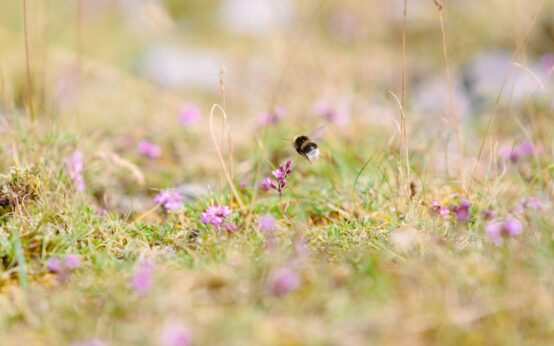
While honey bees receive most of the attention, North America is home to approximately 4,000 native bee species, with Utah alone hosting about 1,100 species. These native bees evolved alongside local flora and are often more efficient pollinators of native plants.
The western bumble bee (Bombus occidentalis) exemplifies both the importance of native bees and the threats they face. Once common throughout western North America, this species has experienced dramatic population declines since the late 1990s. Research indicates that its range has contracted by about 80%, with some regional populations disappearing entirely.
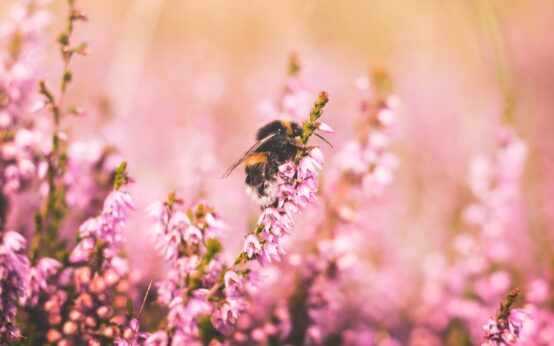
This large, fuzzy bee with distinctive white markings on its abdomen is a crucial pollinator for many wildflowers and crops, including tomatoes, peppers, and berries. Its ability to "buzz pollinate"—vibrating its flight muscles to shake pollen loose from flowers—makes it especially valuable for certain plant species that honey bees cannot effectively pollinate.
The unique ecological niches of various bee species
The diversity of bee species reflects the diversity of flowering plants they pollinate. Different bees have evolved specialized physical characteristics and behaviors to access nectar and pollen from specific flower types:
- Mason bees (Osmia spp.) emerge early in spring to pollinate fruit trees and early-blooming flowers.
- Squash bees (Peponapis spp.) are specialists that pollinate cucurbits like squash, pumpkins, and melons.
- Leafcutter bees (Megachile spp.) cut circular pieces from leaves to line their nests and are excellent pollinators of alfalfa.
- Mining bees (Andrena spp.) nest in the ground and are among the first bees to appear in early spring.
Some bees are solitary, with each female building and provisioning her own nest. Others are social, living in colonies with division of labor. Some are generalists that visit many different flower types, while others are specialists that rely on just a few plant species.
Competition dynamics between managed and wild bee populations
The relationship between managed honey bees and native bee species is complex. In some contexts, high densities of managed honey bees can compete with native species for floral resources, potentially displacing them from their natural habitats. Studies have shown that areas with high concentrations of honey bee hives sometimes show reduced native bee diversity and abundance.
Additionally, pathogens can spread from managed to wild bee populations. Diseases that originated in honey bee colonies have been documented in bumble bees and other native species, suggesting disease spillover as another potential impact.
However, in agricultural landscapes where natural habitat has been reduced, managed honey bees and native bees can complement each other, providing more complete pollination services than either group alone. The key is balance—supporting managed honey bee health while also preserving habitat and resources for native species.
Major Threats to Bee Populations
The decline in bee populations is not attributable to a single cause but rather to a complex interplay of multiple stressors. Understanding these threats is essential for developing effective conservation strategies.
Habitat loss and fragmentation due to urban development and agriculture
Perhaps the most significant threat to bee populations worldwide is the loss and fragmentation of natural habitats. As cities expand and agricultural lands intensify, the flowering meadows, forest edges, and diverse landscapes that bees depend on are disappearing.
Urbanization replaces natural areas with concrete and asphalt, eliminating nesting sites and floral resources. Even when urban green spaces exist, they often feature non-native ornamental plants that provide little nutritional value to local bee species.
Agricultural intensification has converted diverse landscapes into vast monocultures, replacing mixed flowering habitats with single crops that bloom briefly and then offer no resources for the remainder of the year. Hedgerows, field margins, and uncultivated areas that once provided refuge for bees have been eliminated to maximize production.
For ground-nesting bees, which represent about 70% of native bee species, soil disturbance from tillage and development destroys nesting sites. For cavity-nesting species, the removal of dead trees and woody debris eliminates crucial nesting habitat.
Pesticide use and its effects on bee health
Modern agriculture relies heavily on pesticides to control crop pests, but these chemicals often have unintended consequences for beneficial insects like bees. Neonicotinoids, a class of systemic insecticides, have received particular attention for their impacts on bee health.
Unlike contact pesticides that remain on plant surfaces, systemic pesticides are absorbed by plants and distributed throughout their tissues, including pollen and nectar—the very resources bees collect. Even at sublethal doses, these chemicals can:
- Impair navigation and foraging abilities
- Reduce immune function
- Disrupt learning and memory
- Decrease reproductive success
- Increase susceptibility to diseases and parasites
Herbicides that eliminate flowering "weeds" further reduce food resources for bees. Even fungicides, once thought relatively harmless to insects, have been shown to interact with other stressors to negatively impact bee health.
Climate change impacts on bee habitats and life cycles
Climate change introduces additional stressors for bee populations. Rising temperatures, altered precipitation patterns, and increased frequency of extreme weather events disrupt the delicate synchronization between bees and the flowers they pollinate.
Phenological mismatches occur when bees emerge before or after their preferred flowers bloom, leading to nutritional stress. Range shifts force bees to move to new areas as their historical habitats become unsuitable, but their ability to migrate is limited by habitat fragmentation and natural barriers.
Some bee species have narrow temperature tolerances, particularly bumble bees adapted to cooler climates. As temperatures rise, these species face thermal stress and contracting suitable habitat. The western bumble bee, for instance, is retreating from the southern portions of its historical range as conditions become too warm.
Pathogens and pests: The Varroa mite crisis and other threats
Bees face numerous biological threats, from microscopic pathogens to arthropod parasites. For managed honey bees, the Varroa destructor mite represents one of the most severe challenges. These external parasites feed on bee hemolymph (blood) and transmit multiple viruses, weakening bees and entire colonies.
Originally a parasite of the Asian honey bee (Apis cerana), Varroa mites jumped to European honey bees (Apis mellifera) when the species were brought into contact. European honey bees lack the behavioral and physiological defenses of their Asian counterparts, making them highly vulnerable to infestation.
Other pathogens affecting bees include:
- Nosema fungi, which infect bee digestive tracts
- American and European foulbrood bacteria, which kill developing bee larvae
- Deformed wing virus and other viral diseases transmitted by Varroa mites
- Tracheal mites that infest bees’ breathing tubes
These pathogens can spread between managed and wild bee populations, creating disease reservoirs that threaten multiple species.
Monoculture farming and reduced floral diversity
Modern agricultural practices have transformed diverse landscapes into vast expanses of single crops. While these monocultures may provide intense but brief floral resources during bloom periods, they create "feast or famine" conditions for bees.
Bees require diverse pollen sources to obtain complete nutrition. Different pollens contain varying proteins, lipids, vitamins, and minerals essential for bee health and development. Monoculture landscapes force bees to subsist on nutritionally limited diets, compromising their immune function and resilience to other stressors.
Additionally, the practice of clearing "weeds" from agricultural fields and field margins eliminates many wildflowers that would otherwise provide supplemental nutrition when crops are not blooming. This creates temporal gaps in resource availability that can lead to starvation during critical periods.
The Economic and Ecological Impact of Bee Decline
The consequences of bee population declines extend far beyond the bees themselves, affecting human food systems, economies, and natural ecosystems worldwide.
Pollination services: The trillion-dollar ecosystem service
The economic value of bee pollination is staggering. Globally, animal pollination contributes to the production of approximately 75% of crop species used for human food, with bees being the primary pollinators. The annual economic value of this ecosystem service is estimated at $235-577 billion worldwide.
In the United States alone, honey bees and native bees contribute an estimated $20-30 billion annually to agricultural production. For certain crops, the dependency is nearly absolute—almonds, for instance, require cross-pollination by bees to produce nuts, and California’s almond industry (producing 80% of the world’s almonds) requires the services of approximately 2 million honey bee colonies each spring.
Beyond market value, pollination services provide food security benefits that are difficult to quantify. Many of the most nutritious human food crops—including numerous fruits, vegetables, nuts, and seeds—depend on bee pollination to some degree.
Effects on global food production and security
As bee populations decline, agricultural systems face increasing instability. Pollination deficits already affect yield and quality in various crops worldwide. Farmers in some regions must now rent more honey bee colonies at higher prices to achieve adequate pollination, increasing production costs that are ultimately passed to consumers.
The nutritional consequences are particularly concerning. Many bee-pollinated crops are rich in vitamins, minerals, and antioxidants essential for human health. A world with fewer bees would mean not just less food, but less nutritious food, potentially exacerbating global health challenges related to malnutrition.
For subsistence farmers in developing countries, who often cannot afford to rent managed pollinators, the decline of wild bee populations poses an immediate threat to both livelihood and food security. These farmers rely on natural ecosystem services that are increasingly compromised.
Cascading ecological consequences of pollinator loss
In natural ecosystems, the impacts of bee decline ripple through entire food webs. Wild plants that depend on bee pollination produce fewer seeds, leading to reduced plant reproduction and altered plant community composition. As plant populations change, so do the animals that depend on them for food and habitat.
Many bee-pollinated plants produce fruits and seeds that feed birds, mammals, and other wildlife. When these food sources diminish, animal populations may decline in turn. The timing is also critical—many migratory birds, for instance, rely on fruits from bee-pollinated plants to build energy reserves for long journeys.
Plant species that can self-pollinate or that are pollinated by wind or other animals may gain competitive advantages in bee-depleted environments, potentially reducing plant diversity over time. Since different plant species provide different ecosystem services—from soil stabilization to carbon sequestration—these shifts can affect ecosystem function broadly.
Case studies of regions affected by bee population collapse
The consequences of bee decline are not theoretical—they are already manifesting in various regions:
In Sichuan Province, China, the local extinction of native pollinators due to excessive pesticide use and habitat loss forced apple and pear farmers to pollinate flowers by hand using brushes—an expensive, labor-intensive process that dramatically increased production costs.
In the almond orchards of California, insufficient honey bee colonies have led to pollination shortages, with some growers paying triple the historical rates to secure pollination services. This has contributed to rising almond prices globally.
In parts of Europe, declining wild bee populations have reduced the yield and quality of strawberries, apples, and oilseed rape, despite the presence of managed honey bees, highlighting the complementary roles of different bee species.
The highlands of Nepal, where native honey bees have declined precipitously, have seen reduced yields of tree fruits and other crops, affecting both local food security and export economies.
These examples illustrate that bee population collapse is not just an environmental concern but a present economic and social reality with tangible impacts on human communities.
Conservation Strategies for Beekeepers and Apiarists
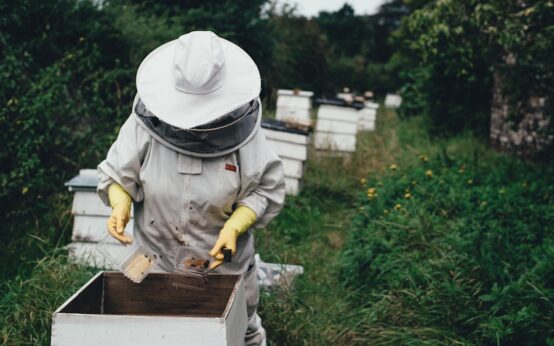
Beekeepers and apiarists stand on the front lines of bee conservation, particularly for managed honey bees. Their practices can significantly influence bee health and survival.
Best practices in apiary management
Successful beekeeping begins with understanding honey bee biology and colony needs. Best practices include:
Regular monitoring: Inspecting colonies every 7-10 days during active seasons allows beekeepers to detect problems early, from disease outbreaks to queen failure or nutritional stress.
Proper hive placement: Situating hives in locations with morning sun, afternoon shade, good air circulation, and protection from strong winds helps colonies regulate temperature and reduces stress.
Adequate space management: Adding or removing hive boxes as needed prevents both overcrowding (which can trigger swarming) and excess space (which colonies must defend against pests and maintain temperature).
Seasonal management: Adapting practices to seasonal colony cycles—from spring buildup through summer honey flow, fall preparation, and winter clustering—supports natural bee behaviors and needs.
Record keeping: Maintaining detailed records of each colony’s performance, treatments, and characteristics enables beekeepers to make informed management decisions and select for desirable traits over time.
Hygienic equipment: Regularly cleaning and sterilizing hive tools, gloves, and other equipment reduces disease transmission between colonies.
Integrated pest management for Varroa mite control
Varroa mites represent perhaps the greatest challenge to honey bee health globally. Effective management requires an integrated approach rather than reliance on a single treatment method:
Monitoring: Regular assessment of mite levels using sticky boards, alcohol washes, or sugar rolls allows beekeepers to make treatment decisions based on infestation thresholds rather than calendar dates.
Cultural controls: Practices like breaking the brood cycle through queen caging or making splits can interrupt mite reproduction, as Varroa reproduce only in capped brood cells.
Mechanical controls: Drone brood removal (mites prefer drone brood) and screened bottom boards that allow mites to fall out of the hive can reduce populations without chemicals.
Biological controls: Some fungi and predatory mites show promise as biological control agents against Varroa,
 Major Threats to Bee Populations
  The Economic and Ecological Impact of Bee Decline
  Conservation Strategies for Beekeepers and Apiarists
  How Individuals Can Help Save the Bees
  Community and Policy Solutions
  Introduction: The Alarming Decline of Bee Populations