
Habitat Loss and Fragmentation Due to Urban Development and Agriculture
The landscape of our planet is changing rapidly as human populations expand, and with this expansion comes one of the most significant threats to bee populations worldwide: habitat loss and fragmentation. Natural habitats that once provided bees with abundant nesting sites and diverse floral resources are being converted into urban developments, roads, and agricultural landscapes at an alarming rate.
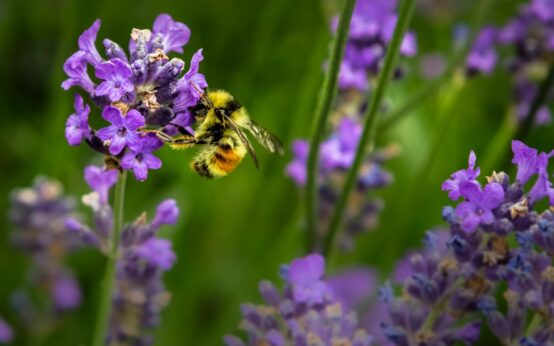
Native bees, including the western bumble bee (Bombus occidentalis), are particularly vulnerable to these changes. Unlike managed honey bee colonies that can be relocated, wild bees often have specific habitat requirements that cannot be easily replaced. Many native bees nest in undisturbed soil, hollow plant stems, or dead wood—all of which are systematically removed during urban development and intensive agricultural practices.
The fragmentation of bee habitats creates isolated "islands" of suitable habitat surrounded by inhospitable landscapes. This fragmentation disrupts foraging patterns and can lead to genetic isolation of bee populations, reducing their resilience and adaptive capacity. Research shows that when natural habitats are fragmented, the distance between suitable foraging areas increases, forcing bees to expend more energy traveling between food sources and potentially reducing their reproductive success.
In agricultural settings, the conversion of diverse natural landscapes to vast monocultures has eliminated the continuous bloom periods that bees rely on throughout their active seasons. When natural hedgerows, meadows, and woodland edges are removed to maximize crop production, bees lose critical resources needed for survival.
Pesticide Use and Its Effects on Bee Health
Pesticides represent one of the most direct threats to bee populations globally. While these chemicals are designed to protect crops from harmful pests, their non-target effects on beneficial insects like bees have become increasingly apparent and concerning.
Neonicotinoid pesticides, in particular, have received significant attention for their impacts on bee health. These systemic insecticides are absorbed by plants and can be present in pollen and nectar, creating a toxic food source for pollinators. Even at sublethal doses, neonicotinoids can impair bees’ navigation abilities, reduce foraging efficiency, weaken immune systems, and diminish reproductive success.
The effects of pesticides extend beyond direct mortality. Exposure to certain agricultural chemicals can disrupt bees’ nervous systems, affecting their ability to learn, remember flower locations, and communicate effectively. For social bees like honey bees and bumble bees, these cognitive impairments can have colony-wide implications, reducing overall productivity and survival rates.
Herbicides also contribute to bee decline indirectly by eliminating flowering plants that provide essential food resources. When wildflowers and "weeds" are removed from agricultural landscapes and urban areas, bees lose critical foraging opportunities.
Perhaps most concerning is the "cocktail effect" of multiple pesticides. Bees are rarely exposed to just one chemical in their environment; instead, they encounter complex mixtures of pesticides, fungicides, and herbicides. Research indicates that these combinations can have synergistic effects, meaning their combined impact is greater than the sum of their individual effects.
Climate Change Impacts on Bee Habitats and Life Cycles
Climate change represents a pervasive threat to bee populations worldwide, disrupting the delicate synchrony between bees and the flowering plants they depend on. As global temperatures rise and weather patterns become more erratic, both managed honey bees (Apis mellifera) and native bee species face unprecedented challenges.
One of the most significant climate-related threats is phenological mismatch—when the timing of bee emergence no longer aligns with the blooming of their preferred floral resources. Bees and plants have co-evolved over millions of years, developing precise timing mechanisms that ensure bees emerge when flowers are available. As spring arrives earlier in many regions, some plants flower before their pollinators have emerged from winter dormancy, leaving bees without food and plants without pollination services.
Extreme weather events, which are increasing in frequency and intensity due to climate change, pose additional threats. Extended droughts can reduce floral resources and water availability, while intense heat waves can exceed bees’ thermal tolerances. Flooding can destroy ground-nesting bee habitats, and unseasonable frosts can kill early-emerging bees or damage the flowers they depend on.
Range shifts are another consequence of changing climate patterns. As temperatures warm, some bee species are forced to move to higher elevations or latitudes in search of suitable conditions. However, not all species can shift their ranges quickly enough to keep pace with climate change, and those with specialized habitat requirements may find nowhere suitable to go.
For the western bumble bee, which has already experienced significant population declines, climate change adds another layer of stress to an already vulnerable species. Changes in precipitation patterns in western North America are altering the alpine meadow habitats where these bees have historically thrived.
Pathogens and Pests: The Varroa Mite Crisis and Other Threats
Biological threats represent some of the most immediate dangers to bee populations, particularly for managed honey bee colonies but increasingly for native bee species as well. The spread of pathogens and parasites has accelerated due to globalization and the commercial movement of bees for pollination services.
The Varroa destructor mite stands as perhaps the most devastating pest affecting honey bees worldwide. These parasitic mites feed on the bodily fluids of adult bees and developing brood, weakening them and transmitting deadly viruses in the process. The Varroa mite crisis has fundamentally changed beekeeping practices and contributed significantly to elevated colony loss rates reported since the early 2000s.
Beyond Varroa, honey bees face numerous other pathogens, including Nosema fungi, bacterial diseases like American foulbrood, and dozens of viruses. The deformed wing virus, often transmitted by Varroa mites, causes developmental abnormalities that prevent bees from flying and foraging effectively.
Native bees aren’t immune to pathogen threats either. Research indicates that diseases can spill over from managed honey bee colonies to wild bee populations. Commercial bumble bee colonies used for greenhouse pollination have been implicated in transmitting pathogens to wild bumble bees, contributing to declines in species like the western bumble bee (Bombus occidentalis).
The global movement of bees for agricultural pollination services has inadvertently facilitated the spread of these pathogens to new regions. Once established, these diseases can be nearly impossible to eradicate from wild populations, creating persistent pressure on already stressed bee communities.
Climate change may be exacerbating these biological threats as well. Warmer temperatures can accelerate the reproduction rates of pests like Varroa mites while simultaneously weakening bees’ immune responses, creating a dangerous combination that threatens bee health on multiple fronts.
Monoculture Farming and Reduced Floral Diversity
The transformation of diverse agricultural landscapes into vast monocultures represents a significant threat to bee populations worldwide. Modern industrial agriculture often prioritizes efficiency and yield over ecological diversity, resulting in expansive fields of a single crop that offer only brief, seasonal resources for pollinators.
For bees, which require consistent floral resources throughout their active season, monoculture farming creates feast-or-famine conditions. During crop bloom, resources may be temporarily abundant, but these periods are typically short-lived and followed by extended food deserts. This pattern is particularly problematic for native bees, which, unlike managed honey bee colonies, cannot be easily relocated to follow blooming crops.
The nutritional quality of bee diets suffers in monoculture landscapes as well. Just as humans require a variety of nutrients from different food sources, bees need diverse pollen types to obtain a complete range of proteins, lipids, vitamins, and minerals. Research shows that bees with access to diverse floral resources have stronger immune systems and greater resistance to diseases and parasites than those limited to a single pollen source.
Beyond the direct nutritional impacts, reduced plant diversity diminishes habitat complexity that many bee species require for nesting. Ground-nesting bees need undisturbed soil, while cavity-nesting species rely on hollow stems and dead wood—features often eliminated from intensively managed agricultural landscapes.
The widespread adoption of herbicide-resistant crop varieties has further exacerbated this problem by enabling more efficient elimination of flowering "weeds" that once provided supplemental resources for pollinators in agricultural settings. The resulting floral deserts can extend for thousands of acres, creating insurmountable barriers for bees with limited flight ranges.
Traditional agricultural practices often incorporated diverse plantings, crop rotations, and hedgerows that supported pollinator communities while providing natural pest control. The shift away from these practices toward chemically intensive monocultures has created landscapes that are increasingly inhospitable to bees and other beneficial insects.
Conclusion on Major Threats to Bee Populations
The decline of bee populations represents one of the most pressing ecological challenges of our time. The threats facing both managed honey bees and native bee species are numerous, interconnected, and increasingly well-documented. From habitat loss and pesticide exposure to climate change, pathogens, and agricultural intensification, bees face a perfect storm of pressures that have led to alarming population declines worldwide.
What makes this situation particularly concerning is that these threats don’t operate in isolation. A bee colony weakened by pesticide exposure becomes more vulnerable to pathogens. Habitat fragmentation limits the ability of bees to adapt to climate change by shifting their ranges. Nutritional stress from reduced floral diversity compromises immune function, making bees more susceptible to diseases. These compounding stressors create feedback loops that accelerate decline.
The consequences extend far beyond the bees themselves. As primary pollinators for approximately 75% of flowering plant species, including many crops, bees provide essential ecosystem services valued at billions of dollars annually. Their decline threatens both natural ecosystems and human food security.
However, understanding these threats also illuminates potential solutions. Creating and preserving diverse habitats with abundant floral resources can offset losses elsewhere. Reducing pesticide use, particularly of bee-toxic chemicals, can alleviate direct chemical stress. Supporting research into Varroa-resistant honey bees and disease management can address biological threats. Diversifying agricultural landscapes can provide more consistent resources for pollinators.
The future of bee populations will depend on coordinated efforts across multiple sectors—from individual gardeners creating pollinator-friendly spaces to policymakers enacting protective regulations, from farmers adopting bee-friendly practices to researchers developing innovative solutions. By addressing these major threats comprehensively, we can work toward reversing bee decline and ensuring these essential pollinators continue to support healthy ecosystems and sustainable food systems for generations to come.
 Save the Bees: Understanding the Crisis and Taking Action
  Introduction: The Alarming Decline of Bee Populations
  Understanding Different Bee Species
  The Economic and Ecological Impact of Bee Decline
  Conservation Strategies for Beekeepers and Apiarists
  How Individuals Can Help Save the Bees