
How Individuals Can Help Save the Bees
Bees are facing unprecedented challenges worldwide, with many species experiencing significant population declines. These essential pollinators contribute immensely to our ecosystems and food systems, with both native and managed bees providing crucial pollination services. While the non-native honey bee (Apis mellifera) often receives the most attention, North America is home to approximately 4,000 native bee species—including about 1,100 species in Utah alone—that collectively pollinate about 75% of flowering plant species in diverse ecosystems.
The decline of bees stems from multiple interconnected factors including habitat loss, pesticide exposure, climate change, pathogens, and pests. However, there is hope. Individual actions, when collectively embraced, can create meaningful change for bee populations. This article explores practical ways that everyday people can contribute to bee conservation efforts.
Creating Bee-Friendly Gardens with Native Plants
One of the most effective ways individuals can support bee populations is by transforming their yards, balconies, or community spaces into bee-friendly habitats using native plants.
Native plants have co-evolved with local bee species, making them ideal food sources. These plants provide nectar and pollen that align with the nutritional needs of native bees. The western bumble bee (Bombus occidentalis), for example, thrives when it has access to native flowering plants like asters.
When planning a bee-friendly garden, consider these principles:
Plant diversity: Include a variety of flowering plants that bloom at different times throughout the growing season. This ensures bees have continuous access to food from early spring through late fall.
Native plant selection: Research which plants are native to your specific region. Local extension offices, native plant societies, and conservation organizations can provide guidance on appropriate selections.
Cluster plantings: Plant species in groups rather than individually. This creates visible "landing pads" that attract bees and makes foraging more efficient for them.
Avoid double-bloom varieties: Many ornamental flowers have been bred for their showy appearance but often produce less nectar and pollen, making them less valuable to bees.
By incorporating these principles, even small gardens can become valuable refuges for local bee populations, helping counteract the effects of habitat loss that has contributed significantly to bee decline.
Reducing or Eliminating Pesticide Use in Home Landscapes
Pesticide exposure represents one of the most serious threats to bee populations. Many common garden and lawn chemicals can harm bees directly through immediate toxicity or indirectly through sublethal effects on behavior, navigation, and reproduction.
To create a bee-safe environment:
Embrace integrated pest management (IPM): This approach focuses on prevention, monitoring, and control methods that minimize risks to bees and other beneficial insects. IPM relies on understanding pest life cycles and using the least toxic methods first.
Choose alternative controls: When pest problems arise, consider non-chemical solutions first, such as hand-picking pests, using physical barriers, or introducing beneficial insects that prey on garden pests.
Read labels carefully: If you must use pesticides, select those with the lowest toxicity to bees. Avoid applications during bloom periods when bees are most active, and apply in the evening when bees are less likely to be foraging.
Eliminate systemic insecticides: Particularly concerning are neonicotinoid pesticides that can persist in plant tissues and appear in pollen and nectar. Check product labels and avoid those containing imidacloprid, clothianidin, thiamethoxam, and similar active ingredients.
Communicate with neighbors: Pesticides can drift beyond property lines. Sharing information about bee-friendly practices with neighbors can help create larger safe zones for pollinators.
By reducing pesticide use, homeowners can significantly decrease one of the major stressors affecting both honey bees and native bee species.
Building and Maintaining Bee Habitats and Hotels
Beyond food sources, bees need appropriate nesting sites to thrive. Unlike honey bees that live in hives, approximately 70% of native bee species nest in the ground, while others use hollow stems, wood cavities, or other natural materials.
Here’s how to provide nesting opportunities:
Leave bare soil patches: Many ground-nesting bees need access to well-drained, undisturbed soil. Designate areas in your garden where the ground remains unmulched and unplanted.
Preserve natural materials: Dead wood, fallen logs, and plant stems can serve as nesting sites for cavity-nesting bees. Rather than "cleaning up" entirely, consider leaving some natural debris in designated areas.
Build bee hotels: These structures provide nesting sites for solitary bees like mason bees and leafcutter bees. Effective bee hotels:
- Use untreated wood and natural materials
- Include various hole sizes (3-10mm diameter) to accommodate different species
- Have holes with closed backs (not drilling completely through)
- Include a protective overhang to keep rain out
- Are placed in locations with morning sun exposure
Maintain bee habitats: Bee hotels require annual cleaning to prevent the buildup of parasites and diseases. Replace nesting materials periodically and clean the structure between seasons.
Provide water sources: Bees need water, especially during hot weather. Shallow dishes with stones or marbles providing landing spots allow bees to drink safely without drowning.
These habitat enhancements complement flowering plants by providing the complete life cycle support bees need to reproduce and thrive in your landscape.
Supporting Local Beekeepers and Buying Local Honey
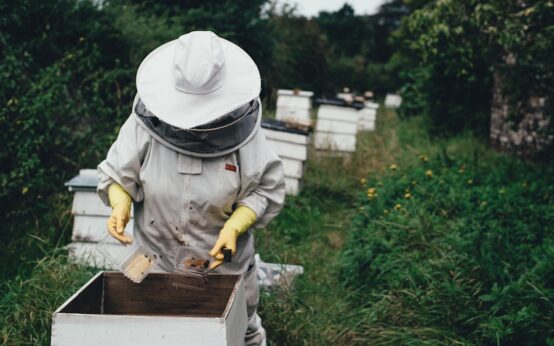
While creating habitat helps wild bee populations, supporting managed honey bees is equally important. Local beekeepers play a crucial role in maintaining healthy honey bee populations while often practicing sustainable beekeeping methods.
Here’s how to support their efforts:
Purchase local honey: Buying directly from local beekeepers provides economic support for their operations. Local honey also tends to be less processed and contains the pollen profile of your region, which some believe may help with seasonal allergies.
Attend farmers markets: These venues often feature local honey producers who can share information about their practices and the challenges facing bees in your area.
Consider hive sponsorship: Some beekeepers offer programs where individuals can sponsor a hive without managing it themselves. This provides financial support while the beekeeper handles all maintenance.
Take beekeeping classes: Learning about honey bee management increases awareness of the challenges these pollinators face. Many local beekeeping associations offer introductory courses.
Advocate for bee-friendly policies: Support local beekeepers by advocating for municipal policies that allow responsible beekeeping in residential areas.
By supporting local beekeepers, you contribute to the economic sustainability of pollination services while potentially reducing the carbon footprint associated with honey transported over long distances.
Participating in Citizen Science Projects for Bee Conservation
Scientific research is crucial for understanding bee decline and developing effective conservation strategies. Citizen science projects enable individuals without specialized training to contribute valuable data to these efforts.
Consider participating in these types of projects:
Bee monitoring programs: Organizations like the Xerces Society coordinate monitoring efforts where volunteers document bee species in specific locations over time. The western bumble bee (Bombus occidentalis), once common across western North America, has experienced dramatic declines and is now the focus of several monitoring initiatives.
Phenology tracking: Recording when specific plants bloom and when certain bee species appear helps scientists understand how climate change is affecting plant-pollinator relationships.
Photography projects: Many citizen science initiatives accept photographs of bees on flowers, which experts can use to identify species and track their distribution.
Habitat assessment: Some programs train volunteers to evaluate landscapes for pollinator-friendly features, helping identify areas for conservation focus.
Educational outreach: Sharing knowledge about bee conservation with community groups, schools, and neighbors amplifies the impact of conservation efforts.
Participation in these projects not only generates valuable scientific data but also deepens personal connection to conservation efforts, often leading to greater commitment to bee-friendly practices.
Conclusion on How Individuals Can Help Save the Bees
The decline of bee populations represents a serious ecological concern, but individual actions collectively create significant positive impact. By creating bee-friendly gardens with native plants, reducing pesticide use, providing appropriate habitats, supporting local beekeepers, and participating in citizen science, individuals become powerful agents for bee conservation.
These actions address multiple factors contributing to bee decline—habitat loss, pesticide exposure, climate change impacts, and the spread of pathogens and pests. While the challenges facing bees are complex, the solutions begin with simple steps that anyone can take.
The relationship between humans and bees stretches back thousands of years. Today, that relationship faces unprecedented challenges, but also unprecedented opportunities for stewardship. Every flowering plant added to a garden, every pesticide application reconsidered, and every bee habitat created represents a small but meaningful contribution to ensuring these essential pollinators continue to thrive.
By embracing these conservation practices, individuals not only help save the bees but also contribute to healthier ecosystems, more productive gardens, and a deeper connection to the natural world around them. The future of bees—and the countless plants and animals that depend on their pollination services—rests in part on the collective actions we take today.
 Save the Bees: Understanding the Crisis and Taking Action
  Introduction: The Alarming Decline of Bee Populations
  Understanding Different Bee Species
  Major Threats to Bee Populations
  The Economic and Ecological Impact of Bee Decline
  Conservation Strategies for Beekeepers and Apiarists