
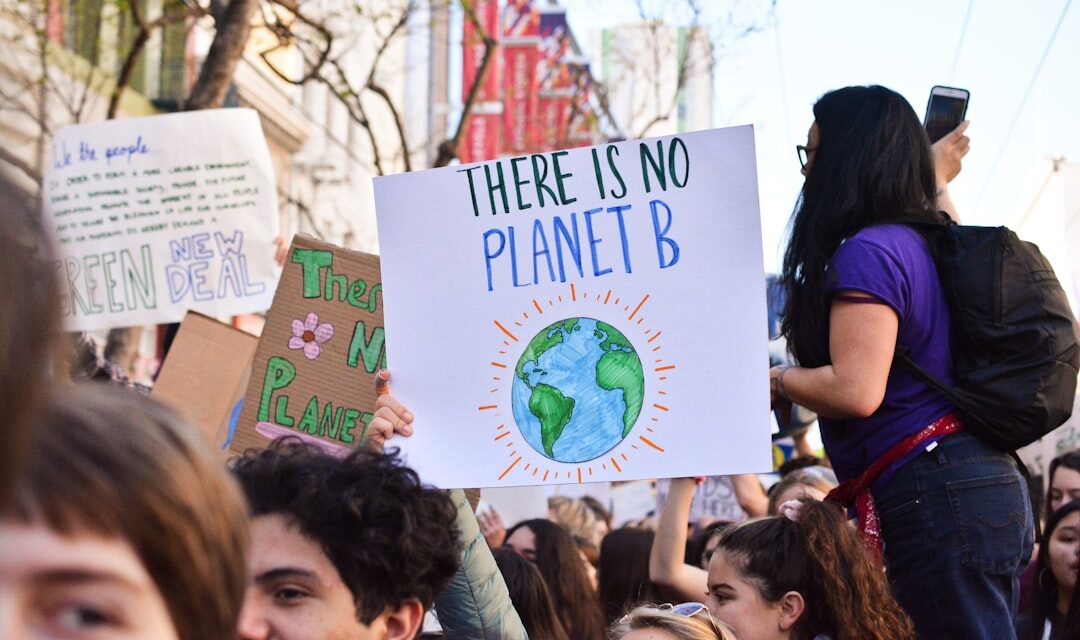
Climate Impact: Greenhouse Gas Emissions from Food Waste
Food waste represents one of the most overlooked contributors to climate change. According to the Food Waste Index Report 2024 published by the United Nations Environment Programme (UNEP), the world squanders over 1 billion meals daily, with each discarded item contributing to greenhouse gas emissions across multiple stages of the food supply chain.
When food decomposes in landfills, it generates methane—a greenhouse gas approximately 25 times more potent than carbon dioxide in trapping heat in the atmosphere. The UNEP report highlights that food waste accounts for approximately 8-10% of global greenhouse gas emissions. If food waste were a country, it would be the third-largest emitter after China and the United States.
The climate impact extends beyond just the decomposition phase. The entire lifecycle of wasted food—from agricultural production, processing, transportation, refrigeration, to disposal—creates a significant carbon footprint. Agricultural activities alone contribute to emissions through land use changes, fertilizer application, and machinery operation. When this food goes uneaten, these emissions represent an unnecessary burden on our climate system.
Public-private partnerships, as emphasized in the Food Waste Index Report 2024, are crucial for addressing these emissions. By working toward SDG 12.3, which aims to halve global food waste by 2030, stakeholders can significantly reduce the climate impact of our food systems.
Resource Depletion: Land, Water, and Energy Wasted
The environmental footprint of food waste extends far beyond greenhouse gas emissions to encompass the squandering of vital natural resources. Each discarded food item represents wasted land, water, and energy that went into its production.
Land resources are particularly affected by food waste. Approximately 1.4 billion hectares of land—nearly 30% of the world’s agricultural land area—is used to produce food that is ultimately lost or wasted. This represents not only inefficient land use but also contributes to habitat destruction, deforestation, and soil degradation.
Water resources suffer similarly devastating impacts. Food production accounts for approximately 70% of global freshwater withdrawals, and the UNEP Food Waste Index Report 2024 indicates that the water footprint of food waste is enormous—about 250 cubic kilometers annually, equivalent to three times the volume of Lake Geneva. In water-scarce regions, this represents a particularly troubling misallocation of a precious resource.
Energy consumption throughout the food supply chain—from farm machinery and irrigation systems to processing, refrigeration, and transportation—is also wasted when food goes uneaten. This energy waste is particularly concerning given that much of it comes from fossil fuels, further exacerbating climate change.
The measurement methodologies highlighted in the Food Waste Index Report 2024 provide crucial data for understanding these resource implications. By quantifying waste across households, retail, and food service sectors, countries can better target interventions to preserve these vital resources.
Economic Costs: Financial Impact Across the Supply Chain
The economic implications of food waste are staggering and reverberate throughout the entire supply chain. According to data aligned with the Food Waste Index Report 2024, the global economic cost of food waste exceeds $1 trillion annually when accounting for direct financial losses and associated environmental and social costs.
For farmers, food waste represents lost income and wasted investments in seeds, fertilizers, labor, and equipment. Many small-scale producers in developing countries face particular hardship when their products fail to reach markets due to inadequate storage, transportation infrastructure, or market access.
Retailers and food service establishments suffer significant financial losses from unsold inventory. The Food Waste Index Report 2024 specifically highlights retail food waste and food service waste as key measurement areas, recognizing their substantial economic impact. Businesses must absorb costs of disposal while simultaneously losing potential revenue from unsold products.
Consumers bear perhaps the most direct economic burden. Household food waste essentially represents money thrown directly into the trash. The average family in developed countries wastes hundreds to thousands of dollars annually on uneaten food. The UNEP report emphasizes that household food waste measurement is crucial for understanding and addressing this economic drain.
Governments and municipalities also face economic consequences through increased waste management costs, including collection, transportation, and disposal expenses. These costs are typically passed on to taxpayers and businesses through fees and taxes.
Public-private partnerships, as advocated by the Food Waste Index Report 2024, offer promising avenues for addressing these economic impacts. By implementing food waste reduction strategies, all stakeholders can benefit from significant cost savings while contributing to SDG 12.3 targets.
Food Security Implications: The Link Between Waste and Hunger
One of the most troubling paradoxes of our global food system is the coexistence of massive food waste alongside widespread hunger. The World Food Programme highlights that while over 1 billion meals are wasted daily, as reported in the Food Waste Index Report 2024, approximately 783 million people face chronic hunger worldwide.
This disconnect between waste and want has profound implications for food security. The food currently lost or wasted globally would be sufficient to feed 1.26 billion hungry people. As the World Food Programme notes, the calories in wasted food could feed every undernourished person on the planet twice over.
The relationship between food waste and hunger is particularly acute in regions facing food insecurity. While high-income countries generate more food waste per capita, particularly at the consumption stage, low-income countries often experience greater food losses during production, storage, and transportation due to infrastructure limitations. These losses directly impact local food availability and prices, exacerbating hunger challenges.
Climate change further complicates this relationship. As climate impacts intensify, agricultural productivity in many regions faces increasing threats from extreme weather events, changing precipitation patterns, and rising temperatures. In this context, wasting food becomes even more problematic as overall food security becomes more precarious.
The Food Waste Index Report 2024 emphasizes the importance of global food waste data in addressing these challenges. By understanding where, how, and why food is wasted, policymakers can develop targeted interventions that simultaneously reduce waste and enhance food security, making progress toward both SDG 12.3 (halving food waste) and SDG 2 (zero hunger).
Biodiversity Loss and Ecosystem Damage
Food waste contributes significantly to biodiversity loss and ecosystem degradation through multiple pathways. The expansion of agricultural land to produce food that ultimately goes uneaten drives habitat destruction, threatening countless species and disrupting vital ecosystem services.
Deforestation for agriculture represents one of the most direct impacts. When forests are cleared to grow crops or raise livestock that end up wasted, the biodiversity within these ecosystems is needlessly sacrificed. The Food Waste Index Report 2024 underscores how measuring and reducing food waste can help mitigate these pressures on natural habitats.
Marine ecosystems face particular threats from food waste. Runoff from agricultural operations contains nutrients from fertilizers that can cause harmful algal blooms and oxygen-depleted "dead zones" in waterways and coastal areas. When the food produced using these fertilizers is wasted, this environmental damage occurs without any nutritional benefit to humans.
Soil biodiversity also suffers from intensive agricultural practices used to grow food that may be wasted. Monoculture farming, heavy tillage, and chemical inputs can deplete soil organisms crucial for maintaining healthy, productive land. The UNEP report highlights how food waste reduction can help reduce these pressures on soil ecosystems.
Chemical pollution from pesticides and herbicides used in food production further threatens biodiversity. These chemicals can harm non-target species, including beneficial insects like pollinators that are essential for food production itself. When food is wasted, these ecological impacts occur unnecessarily.
Addressing food waste through the frameworks outlined in the Food Waste Index Report 2024 offers significant opportunities for biodiversity conservation. By reducing waste across the supply chain—from farm to fork—we can decrease the land, water, and chemical inputs needed for food production, thereby reducing pressures on ecosystems and the species that depend on them.
Conclusion on Environmental and Economic Implications
The environmental and economic implications of food waste present a complex but urgent challenge for our global society. As documented in the Food Waste Index Report 2024 by UNEP, the squandering of over 1 billion meals daily creates a cascade of negative impacts—from greenhouse gas emissions and resource depletion to economic losses and food insecurity.
The interconnected nature of these impacts requires integrated solutions. Progress toward SDG 12.3, which aims to halve global food waste by 2030, would simultaneously address climate change, conserve natural resources, improve economic efficiency, enhance food security, and protect biodiversity. This represents a rare opportunity where addressing one problem yields multiple benefits across environmental, economic, and social dimensions.
Food waste measurement, as emphasized in the UNEP report, provides the foundation for effective action. By understanding the scale, sources, and drivers of waste across household, retail, and food service sectors, stakeholders can develop targeted interventions with the greatest potential impact.
Public-private partnerships offer particularly promising pathways forward. Governments can establish supportive policy frameworks and incentives, while businesses can innovate throughout the supply chain to reduce waste. Consumers, armed with better information and alternatives, can make more sustainable choices in their purchasing and consumption habits.
The global food waste crisis represents both a challenge and an opportunity. By addressing this issue comprehensively, we can move toward more sustainable, efficient, and equitable food systems that nourish people while respecting planetary boundaries. The environmental and economic implications of food waste are too significant to ignore—and the benefits of action too substantial to delay.
 Food Waste: A Global Challenge and Solutions for a Sustainable Future
  Introduction to the Global Food Waste Crisis
  Understanding Food Waste Across Sectors
  Measuring and Monitoring Food Waste
  Innovative Solutions to Combat Food Waste
  Collaborative Approaches and Success Stories