
Marine pollution: Sources, spread, and consequences
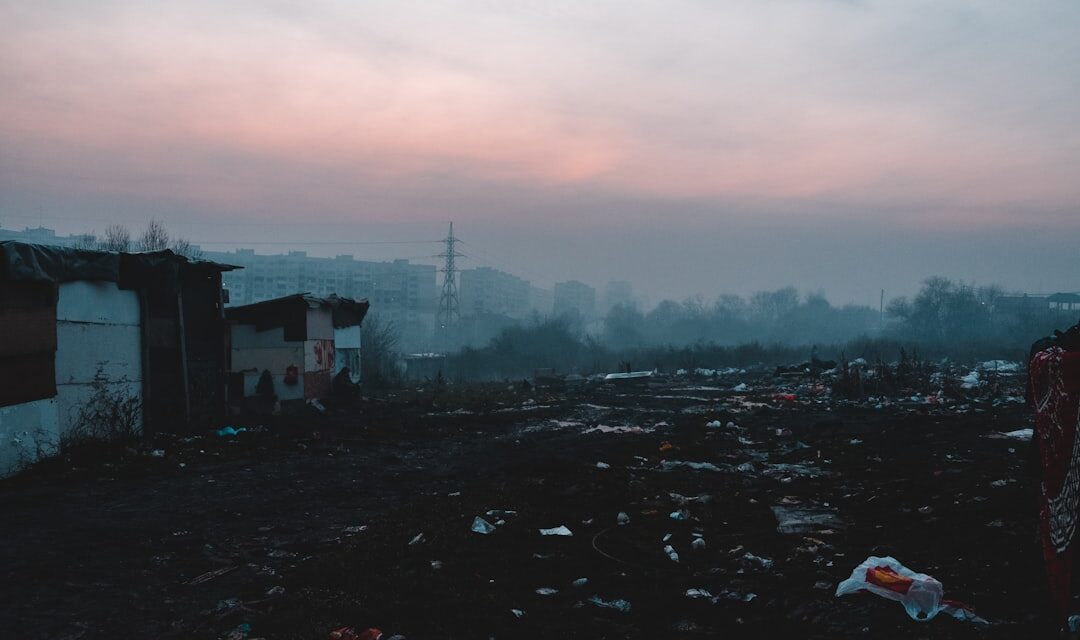
The world’s oceans face an unprecedented crisis of contamination from multiple sources, threatening marine ecosystems on a global scale. Marine pollution stems primarily from human activities both on land and at sea. Land-based pollutants, including agricultural runoff laden with pesticides and fertilizers, industrial waste, and untreated sewage, make their way to coastal waters through rivers and drainage systems. Meanwhile, maritime activities such as shipping, offshore drilling, and aquaculture contribute directly to ocean contamination through oil spills, chemical discharges, and nutrient overloading.
Once introduced to marine environments, pollutants spread through complex oceanic currents, affecting areas far from their original source. This transboundary nature of marine pollution means that even remote marine ecosystems aren’t immune to human influence. The consequences are far-reaching and often devastating. Chemical pollutants can cause immediate mortality in sensitive species while also accumulating in tissues of marine organisms, leading to long-term health effects and reproductive failures throughout the food web.
As part of the Ocean Decade Challenges, addressing marine pollution has been identified as a critical priority for collective action. These challenges articulate the most immediate priorities for ocean conservation and aim to unite partners worldwide. The ultimate goal is to ensure that efforts to combat marine pollution contribute meaningfully to the 2030 Agenda for Sustainable Development and other international policy frameworks.
Plastic crisis: The Great Pacific Garbage Patch and beyond
Perhaps the most visible manifestation of our ocean pollution crisis is the Great Pacific Garbage Patch, a vast concentration of marine debris in the North Pacific Ocean. This floating mass of primarily plastic waste spans an area roughly twice the size of Texas, forming a sobering testament to humanity’s impact on marine environments. However, this is just one of several major ocean garbage patches worldwide, with similar accumulations found in the Atlantic and Indian Oceans.
These garbage patches form in areas where rotating ocean currents called gyres concentrate floating debris. What makes this situation particularly alarming is that plastic accumulating in our oceans and on our beaches has become a global tragedy for our oceans and sea life. Billions of pounds of plastic can be found in swirling convergences that make up about 40 percent of the world’s ocean surfaces, creating a crisis of unprecedented proportions.
Unlike natural materials, most plastics never fully degrade but instead break down into smaller and smaller pieces. Marine animals frequently mistake plastic debris for food, leading to starvation, internal injuries, and death. Larger items like fishing nets, six-pack rings, and plastic bags entangle marine life, causing drowning, strangulation, and severe injuries. The plastic crisis extends beyond visible garbage patches to affect virtually all marine ecosystems, from polar regions to tropical coral reefs, representing one of the most pervasive threats to ocean health globally.
Microplastics: The invisible threat to marine life and food chains
As plastic waste breaks down in the marine environment, it forms microplastics—particles less than 5mm in diameter—that present an insidious and largely invisible threat to ocean ecosystems. These tiny fragments come from the degradation of larger plastic items as well as from products specifically manufactured at microscopic sizes, such as microbeads in personal care products and synthetic fibers from clothing.
The ubiquity of microplastics in marine environments is staggering. They’ve been discovered in the deepest ocean trenches, embedded in Arctic sea ice, and throughout the water column in every ocean basin. Their small size makes them easily ingested by marine organisms at all levels of the food chain, from zooplankton to fish to marine mammals. Once ingested, microplastics can cause physical damage to digestive systems and potentially leach toxic chemicals into tissues.
Perhaps most concerning is the role of microplastics as vectors for other pollutants. Their surface properties allow them to absorb and concentrate persistent organic pollutants and heavy metals from surrounding seawater. When consumed by marine life, these contaminated particles can transfer their toxic payload into the food web, potentially reaching humans through seafood consumption. This represents a significant challenge for biodiversity protection and sustainable ocean economy initiatives, as the full impacts of microplastic pollution on marine ecosystems and human health remain incompletely understood.
Overfishing and destructive fishing practices
The global demand for seafood has driven fishing efforts to unsustainable levels, with approximately one-third of the world’s assessed fisheries now classified as overexploited. Overfishing disrupts marine ecosystems by removing key species faster than they can reproduce, altering food webs and reducing biodiversity. Large predatory fish like tuna and swordfish have seen population declines of up to 90% in some regions, while formerly abundant commercial species like Atlantic cod have collapsed in many areas.
Beyond simply taking too many fish, destructive fishing practices compound the problem by damaging marine habitats. Bottom trawling—dragging weighted nets across the seafloor—devastates benthic ecosystems, destroying complex habitats that serve as nurseries and feeding grounds for countless species. Similarly, dynamite fishing and cyanide fishing, though illegal in most countries, continue to destroy coral reef ecosystems in parts of Southeast Asia and elsewhere.
Bycatch—the unintentional capture of non-target species—represents another significant issue. Conventional fishing methods often catch and kill dolphins, sea turtles, seabirds, sharks, and juvenile fish. Estimates suggest that for every pound of target seafood, up to five pounds of unwanted marine life may be caught and discarded, often dead or dying.
Addressing these challenges requires implementing ecosystem-based fisheries management, establishing marine protected areas, and promoting sustainable fishing practices. The Ocean Decade Challenges recognize fisheries reform as essential to ecosystem restoration and building community resilience in coastal regions dependent on healthy fish stocks.
Climate change impacts: Ocean warming, acidification, and deoxygenation
The ocean-climate nexus represents one of the most profound challenges to marine ecosystems. As the primary heat sink for our planet, oceans have absorbed approximately 90% of the excess heat generated by greenhouse gas emissions, leading to significant ocean warming. This temperature increase disrupts the distribution of marine species, alters breeding cycles, and contributes to more frequent and intense marine heatwaves that can decimate vulnerable ecosystems like coral reefs.
Simultaneously, oceans have absorbed roughly 30% of human-produced carbon dioxide, triggering ocean acidification as this CO2 reacts with seawater to form carbonic acid. The resulting decrease in pH makes it difficult for calcifying organisms like corals, mollusks, and certain plankton to build and maintain their calcium carbonate structures. This threatens the foundation of many marine food webs and the ecosystem services they provide.
A third climate-related threat, ocean deoxygenation, occurs as warming waters hold less dissolved oxygen and as increased stratification reduces oxygen mixing between surface and deeper waters. The resulting expansion of oxygen minimum zones forces marine life to either flee or face physiological stress and potential death. Combined with localized "dead zones" caused by nutrient pollution, these deoxygenated areas are effectively lost as viable habitat for most marine species.
These three interconnected processes—warming, acidification, and deoxygenation—constitute what scientists call the "deadly trio" of climate impacts on oceans. Addressing them requires both immediate climate change solutions to reduce emissions and targeted interventions to build resilience in marine ecosystems.
Habitat destruction: Coral reefs, mangroves, and seagrass meadows
Coastal development, pollution, and resource extraction have led to the widespread destruction of critical marine habitats worldwide. Coral reefs, often called the rainforests of the sea, support approximately 25% of all marine species while covering less than 1% of the ocean floor. Yet these biodiversity hotspots face multiple threats, with an estimated 50% of coral reefs already lost or severely degraded due to climate change, destructive fishing, pollution, and coastal development.
Mangrove forests, which provide crucial nursery habitat for fish and protect coastlines from storms and erosion, have seen global losses of 30-50% in the past half-century. The primary drivers include conversion to aquaculture ponds, urban development, and agriculture. Similarly, seagrass meadows, which sequester carbon at rates up to 35 times faster than tropical rainforests and provide essential habitat for numerous species, have declined globally at rates exceeding 7% annually in some regions.
These coastal ecosystems deliver disproportionate benefits relative to their size. They not only support marine biodiversity but also provide critical ecosystem services including carbon sequestration, coastal protection, water filtration, and food security for coastal communities. Their destruction therefore represents both an ecological and socioeconomic crisis.
The digital representation of ocean ecosystems through mapping and monitoring technologies has become increasingly important for tracking habitat loss and prioritizing conservation efforts. These tools support the ecosystem restoration initiatives highlighted in the Ocean Decade Challenges, which recognize that protecting and restoring critical marine habitats is essential for maintaining ocean health and supporting a sustainable ocean economy.
Conclusion on Major Threats to Ocean Health
The oceans face an unprecedented convergence of threats that collectively jeopardize marine biodiversity, ecosystem function, and the human communities that depend on healthy seas. From the visible crisis of plastic pollution to the invisible threats of microplastics, from the systematic depletion of fish stocks to the fundamental chemical and physical changes driven by climate change, these challenges demand urgent and coordinated action on a global scale.
The Ocean Decade Challenges provide a framework for this collective response, emphasizing that no single threat exists in isolation. Marine pollution exacerbates the impacts of climate change, habitat destruction compounds the effects of overfishing, and all these stressors interact in complex ways that can accelerate ecosystem decline. Addressing these interconnected threats requires integrated approaches that span scientific disciplines, economic sectors, and national boundaries.
Despite the severity of these challenges, there remains cause for optimism. Marine ecosystems have demonstrated remarkable resilience when given the opportunity to recover. Successful marine protected areas, sustainable fisheries reforms, plastic reduction initiatives, and climate adaptation projects around the world demonstrate that positive change is possible. By embracing the goals of biodiversity protection, ecosystem restoration, and a sustainable ocean economy, we can work toward a future where ocean health is restored and maintained for generations to come.
The path forward must balance immediate action on the most pressing threats with long-term strategies for systemic change. This includes not only technological and policy solutions but also shifts in how societies value and interact with marine environments. Through collective commitment to addressing these major threats to ocean health, we can honor our responsibility as stewards of the blue planet and ensure that the life-sustaining benefits of healthy oceans continue to support both nature and humanity.
 Ocean Conservation: Challenges, Solutions, and Our Role in Protecting Marine Ecosystems
  Introduction to Ocean Conservation