
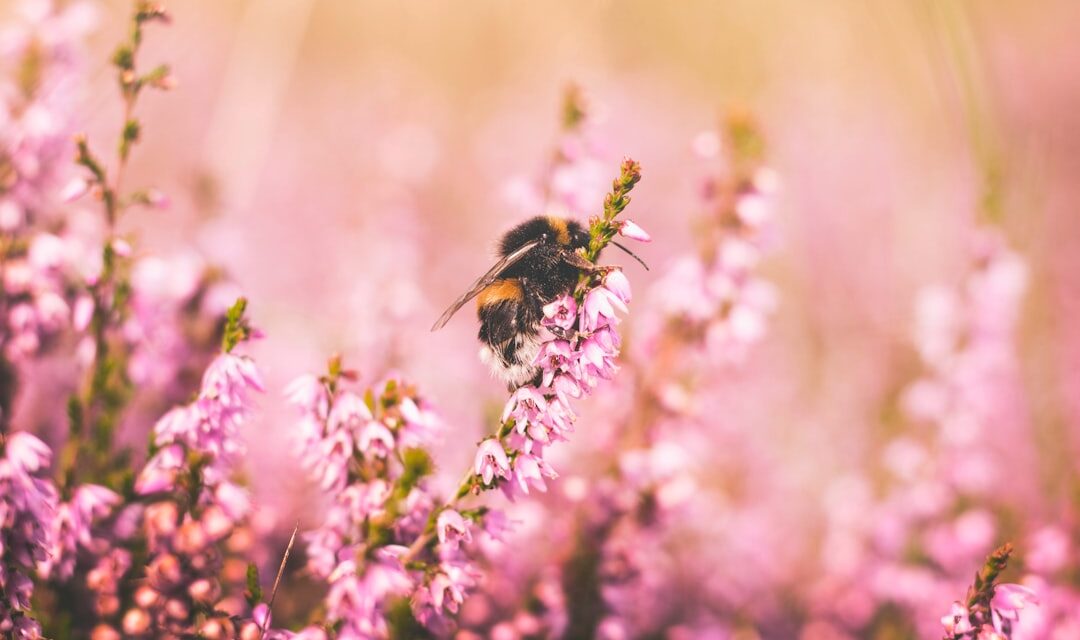
Advocating for Bee-Friendly Policies and Regulations
The alarming decline in bee populations worldwide has prompted urgent calls for policy interventions at all levels of government. Effective advocacy for bee-friendly policies begins with understanding the critical role these pollinators play in our ecosystems and food systems. Native and managed bees provide essential pollination services, contributing to the reproduction of approximately 75% of flowering plant species and supporting crop production worth billions of dollars annually.
Policy advocacy can take many forms, from local ordinances to national legislation. At the municipal level, communities can implement regulations that limit pesticide use in public spaces, establish no-spray zones near sensitive habitats, and incorporate native plantings into urban planning requirements. For instance, several cities across the United States have enacted "Bee City USA" commitments, pledging to create sustainable habitats for pollinators through reduced pesticide use and increased native plantings.
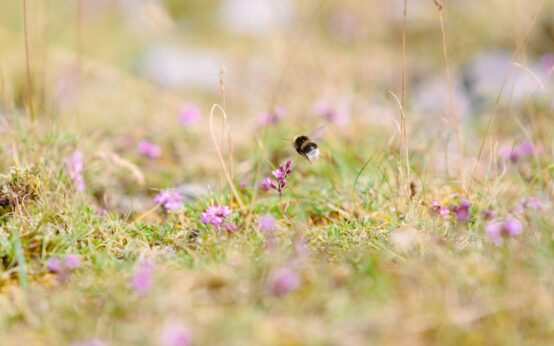
At state and federal levels, more comprehensive approaches are needed. This includes stricter regulation of neonicotinoids and other pesticides harmful to pollinators, incentives for farmers who adopt pollinator-friendly practices, and protection of critical bee habitats. The western bumble bee (Bombus occidentalis), once common throughout western North America, has experienced dramatic population declines, highlighting the urgency for policy intervention.
Effective advocacy requires collaboration between scientists, conservationists, farmers, and everyday citizens. By presenting policymakers with clear evidence of bee decline and its potential consequences, advocates can build compelling cases for protective measures. Public comment periods during regulatory reviews offer important opportunities for citizen input on decisions affecting pollinators.
Creating Community Pollinator Corridors and Gardens
Community-based approaches to bee conservation offer some of the most accessible and effective solutions to habitat loss, one of the primary drivers of bee decline. Pollinator corridors—connected pathways of suitable habitat—allow bees to move safely through landscapes that might otherwise be inhospitable.
Creating these corridors begins at the local level, with neighborhoods working together to establish continuous flowering resources throughout the growing season. This can be as simple as coordinating planting schedules among adjacent properties to ensure that something is always blooming from early spring through late fall. Native plant species are particularly valuable, as they have co-evolved with native bees and often provide more nutritious pollen and nectar resources.
Community gardens represent another powerful approach to supporting bee populations. These shared spaces can serve as pollinator hubs while simultaneously providing educational opportunities and fresh produce. When designed with pollinators in mind—incorporating diverse native flowering plants, nesting sites, and water sources—community gardens become vital refuges for both honey bees and native bee species.
Municipal parks departments can amplify these efforts by converting portions of public lands to pollinator-friendly landscapes. This might include reducing mowing frequency in certain areas, replacing ornamental non-native plants with native alternatives, and establishing "bee hotels" that provide nesting habitat for solitary bee species.
The cumulative impact of these community-based initiatives can be substantial. When multiple neighborhoods connect their pollinator-friendly spaces, the resulting network can support diverse and resilient bee populations even within urban environments.
Supporting Research and Conservation Organizations
The complex challenges facing bee populations require sophisticated research and targeted conservation efforts. Organizations dedicated to these pursuits play a crucial role in understanding bee decline and developing effective interventions.
Research institutions, particularly universities with strong entomology programs, are conducting vital work to identify the causes of pollinator decline and test potential solutions. Their studies examine the impacts of pesticides, habitat loss, climate change, and pathogens on different bee species. For example, ongoing research at Utah State University and other institutions is documenting the status of the western bumble bee and other native species while investigating factors contributing to their decline.
Conservation organizations translate this research into action through habitat restoration, policy advocacy, and public education. Groups like the Xerces Society for Invertebrate Conservation implement on-the-ground projects to create and enhance pollinator habitat while also developing resources for farmers, gardeners, and land managers.
Supporting these organizations can take many forms:
- Financial contributions to fund research and conservation programs
- Volunteer participation in community science initiatives that monitor bee populations
- Advocacy for increased public funding for pollinator research
- Participation in habitat restoration events
By channeling resources to these specialized organizations, individuals and communities can amplify their impact on bee conservation. Many organizations offer membership programs that provide regular updates on their work and opportunities to get involved in local conservation efforts.
Educational Initiatives to Raise Awareness About Bee Conservation
Effective bee conservation requires broad public understanding and engagement. Educational initiatives play a crucial role in transforming awareness into action by helping people recognize the importance of pollinators and the threats they face.
School-based programs represent one of the most powerful approaches to pollinator education. By incorporating bee conservation into science curricula, schools can foster the next generation of environmental stewards. Hands-on activities like creating pollinator gardens on school grounds, monitoring bee activity, and building nesting structures provide experiential learning opportunities that connect students directly with these essential insects.
Beyond formal education settings, community workshops offer practical knowledge for adults interested in supporting pollinators. These might include sessions on native plant gardening, pesticide alternatives, or identifying common bee species. Libraries, garden centers, and extension offices frequently host such events, making them accessible to diverse audiences.
Digital platforms have expanded the reach of educational initiatives. Websites, social media campaigns, and mobile applications now provide information about bee identification, pollinator-friendly practices, and community science opportunities. These resources allow people to learn at their own pace and connect with others who share their interest in bee conservation.
The most effective educational initiatives emphasize the connections between bee health and human wellbeing. By highlighting how pollinators support food production, ecosystem functioning, and even cultural practices, these programs help people understand that protecting bees serves both environmental and human interests.
Sustainable Agriculture Practices That Protect Pollinators
Agriculture and bee health are inextricably linked. While industrial farming practices have often contributed to pollinator decline through habitat loss and pesticide use, the agricultural sector also offers tremendous potential for positive change through the adoption of pollinator-friendly approaches.
Integrated Pest Management (IPM) represents one of the most promising strategies for reducing pesticide impacts on pollinators. This approach emphasizes prevention, monitoring, and biological controls, using chemical interventions only as a last resort. When pesticides are necessary, IPM practitioners select products with lower toxicity to beneficial insects and apply them when pollinators are least active, such as in the evening after bees have returned to their hives or nests.
Diversifying agricultural landscapes provides another powerful tool for supporting pollinators. Practices such as planting flowering cover crops, maintaining hedgerows and field margins with native plants, and incorporating flowering crops into rotation all increase the resources available to bees. These approaches benefit farmers as well, enhancing natural pest control, improving soil health, and potentially increasing crop yields through improved pollination services.
Agroforestry systems that integrate trees and shrubs with crop production create particularly rich habitats for pollinators. The structural diversity these systems provide supports a wide range of bee species with different nesting requirements, while extended flowering periods ensure consistent food resources throughout the growing season.
Certification programs like Bee Friendly Farming provide standards and recognition for agricultural operations that adopt pollinator-protective practices. These programs offer consumers a way to support bee-friendly agriculture through their purchasing decisions while giving farmers market incentives for conservation efforts.
The transition to pollinator-friendly agriculture requires support from multiple sectors. Government programs that provide technical assistance and financial incentives can help farmers implement new practices, while research institutions continue to refine and demonstrate sustainable approaches. Consumer demand for products grown with pollinator-friendly methods creates market incentives that accelerate adoption.
Conclusion on Community and Policy Solutions
The challenges facing bee populations—from the western bumble bee to managed honey bee colonies—require coordinated responses across multiple sectors of society. The interconnected threats of habitat loss, pesticide exposure, climate change, and pathogens and pests demand equally interconnected solutions that bridge individual actions, community initiatives, and policy interventions.
The most promising approaches recognize that bee conservation is not solely an environmental issue but also a matter of food security, economic stability, and cultural heritage. By framing pollinator protection in these broader terms, advocates can build diverse coalitions that transcend traditional political divisions and create momentum for meaningful change.
As we look to the future, the most effective strategies will likely combine protective policies with proactive habitat creation, scientific research with practical education, and agricultural innovation with consumer engagement. This comprehensive approach acknowledges that there is no single solution to bee decline, but rather a mosaic of complementary efforts that together can reverse current trends.
The good news is that many of these solutions offer co-benefits beyond pollinator conservation. Reduced pesticide use improves water quality and human health; native plant landscapes require less water and maintenance; and diversified agricultural systems build resilience against climate change. These win-win outcomes make bee conservation not just an ecological imperative but a practical path toward more sustainable communities.
Ultimately, the future of bee populations depends on our collective willingness to transform awareness into action. By advocating for bee-friendly policies, creating pollinator habitat in our communities, supporting research and conservation organizations, educating others about the importance of pollinators, and embracing sustainable agricultural practices, we can ensure that these essential insects continue to thrive—and with them, the natural and agricultural systems that sustain us all.
 Save the Bees: Understanding the Crisis and Taking Action
  Introduction: The Alarming Decline of Bee Populations
  Understanding Different Bee Species
  Major Threats to Bee Populations
  The Economic and Ecological Impact of Bee Decline
  Conservation Strategies for Beekeepers and Apiarists