
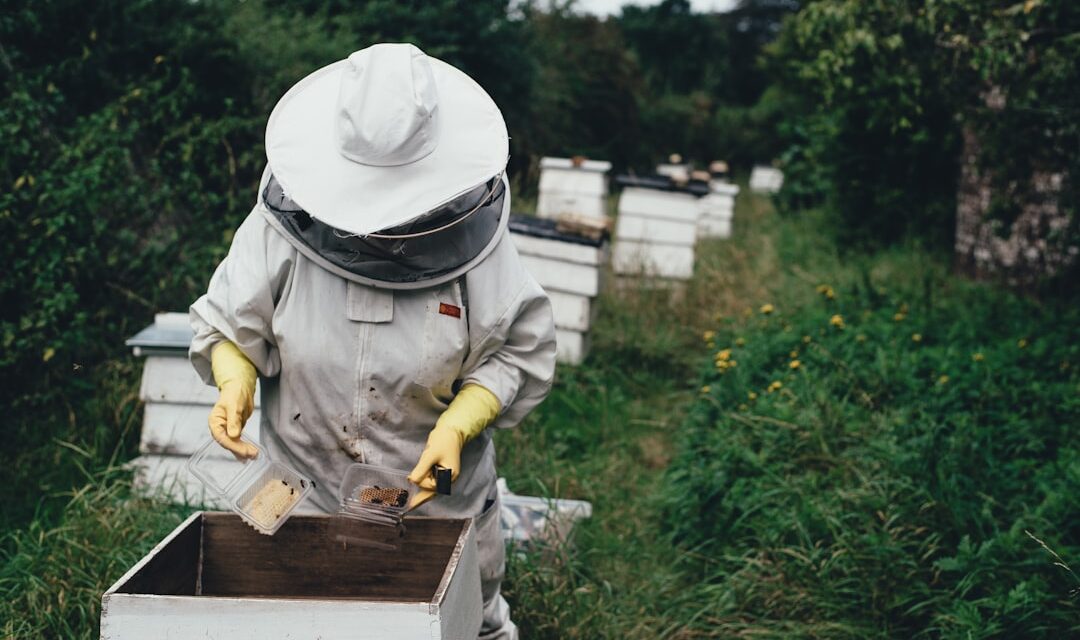
Best Practices in Apiary Management
The global decline in bee populations has become a critical concern for ecosystems and agriculture worldwide. As essential pollinators, bees contribute significantly to biodiversity and food production. For beekeepers and apiarists, implementing effective conservation strategies is not just beneficial—it’s necessary for the survival of these vital insects.
Successful apiary management begins with understanding the complex factors contributing to bee decline. Habitat loss, pesticide exposure, climate change, pathogens, and pests all play significant roles in threatening both managed honey bees and wild native bees. In February 2022, researchers highlighted that approximately 4,000 native North American bee species (including about 1,100 species in Utah alone) are responsible for pollinating roughly 75% of flowering plant species in diverse ecosystems.
Effective apiary management requires a holistic approach that addresses multiple aspects of bee health. Regular hive inspections are fundamental, allowing beekeepers to identify potential issues before they become severe. These inspections should include examining brood patterns, checking for signs of disease or pest infestations, and assessing food stores. Maintaining detailed records of each inspection helps track colony health over time and identify seasonal patterns.
Proper hive placement is another crucial element. Hives should be positioned in locations that provide morning sun, afternoon shade, and protection from strong winds. Access to diverse floral resources throughout the growing season ensures bees receive adequate nutrition. Additionally, maintaining appropriate distances between apiaries reduces competition for resources and minimizes disease transmission.
Water availability is often overlooked but remains essential for bee health. Clean water sources should be provided near hives, especially during hot weather when bees require water for cooling the hive and diluting honey for consumption.
Integrated Pest Management for Varroa Mite Control
The Varroa destructor mite represents one of the most significant threats to honey bee populations worldwide. These parasitic mites feed on the hemolymph (blood) of adult bees and developing brood, weakening the bees and transmitting viruses that can devastate entire colonies.
Integrated Pest Management (IPM) offers a sustainable approach to controlling Varroa mites while minimizing chemical interventions. The foundation of effective IPM is regular monitoring of mite levels through methods such as alcohol washes, sugar rolls, or sticky board counts. These assessments help beekeepers determine when intervention is necessary and evaluate the effectiveness of control measures.
Cultural controls form the first line of defense in IPM strategies. These include practices such as:
- Using screened bottom boards to allow mites to fall from the hive
- Implementing brood breaks to interrupt the mite reproductive cycle
- Removing drone brood, which Varroa mites preferentially infest
- Maintaining colonies with appropriate sizes to prevent overcrowding
Mechanical controls provide additional non-chemical options. Thermal treatment, which involves maintaining the hive at specific temperatures that are lethal to mites but tolerable to bees, has shown promise. Similarly, powdered sugar dusting encourages bees to groom themselves, dislodging mites in the process.
When chemical interventions become necessary, beekeepers should prioritize "soft" treatments such as organic acids (formic, oxalic, and lactic) and essential oils (thymol) before resorting to synthetic acaricides. Rotating treatments prevents mites from developing resistance, while timing applications to avoid honey flows protects honey quality.
Biological controls, including the use of beneficial fungi or predatory mites that target Varroa, represent an emerging area of research that may provide additional sustainable management options in the future.
Breeding Programs for Resilient Honey Bee Populations
Developing genetically resilient honey bee populations offers a long-term solution to many challenges facing these pollinators. Breeding programs focus on selecting for traits that enhance colony survival, productivity, and resistance to pests and diseases.
Hygienic behavior—the ability of worker bees to detect and remove diseased or parasitized brood—has emerged as one of the most valuable traits for breeding programs. Bees with strong hygienic behavior can significantly reduce Varroa mite populations and limit the spread of brood diseases like American foulbrood.
Varroa-sensitive hygiene (VSH) represents a specialized form of hygienic behavior specifically targeting mite-infested cells. Queens exhibiting high VSH traits produce worker bees that can detect and remove brood infested with reproductive Varroa mites, effectively interrupting the mite’s life cycle.
Mite-biting behavior, where bees physically damage or kill Varroa mites through grooming, provides another defensive mechanism worth selecting for in breeding programs. This trait appears to be heritable and can significantly reduce mite loads when present in a colony.
Local adaptation represents another crucial breeding consideration. Bees adapted to specific regional conditions typically demonstrate better survival rates and productivity than imported stock. Beekeepers can contribute to these efforts by:
- Participating in local queen rearing initiatives
- Selecting breeder queens from colonies that thrive without intensive management
- Maintaining detailed records of colony performance to inform selection decisions
- Collaborating with other local beekeepers to share genetic resources
Genetic diversity remains essential for population resilience. Breeding programs should avoid excessive inbreeding while still selecting for desirable traits. Techniques such as instrumental insemination allow for controlled breeding, while isolated mating yards help manage genetic lines in natural mating scenarios.
Supporting Bee Health Through Proper Nutrition and Care
Nutrition forms the foundation of bee health and resilience. Like all organisms, bees require specific nutrients to support growth, reproduction, immune function, and overall colony development. Poor nutrition compromises bees’ ability to withstand other stressors such as pesticide exposure, pathogens, and parasites.
Diverse floral resources provide bees with the complex mixture of proteins, carbohydrates, lipids, vitamins, and minerals they need. Beekeepers can support proper nutrition by:
- Planting diverse pollinator gardens with sequential blooming periods
- Preserving natural habitat around apiaries when possible
- Avoiding placing hives in agricultural monocultures without supplemental feeding
- Establishing relationships with landowners to enhance habitat on private property
When natural forage is insufficient, supplemental feeding becomes necessary. High-quality sugar syrup (1:1 in spring for stimulation, 2:1 in fall for winter stores) provides carbohydrates, while pollen substitutes offer protein during periods of dearth. However, these supplements should never completely replace natural forage, which provides micronutrients not found in artificial feeds.
Seasonal management practices must adapt to changing nutritional needs. Spring management focuses on ensuring adequate resources for colony growth and brood rearing. Summer management addresses potential dearth periods when flowering plants may be limited. Fall management emphasizes preparing colonies for winter by ensuring adequate honey stores and healthy populations of winter bees.
Minimizing pesticide exposure represents another critical aspect of bee care. Beekeepers should:
- Communicate with nearby farmers about spray schedules
- Place hives away from intensively managed agricultural areas when possible
- Avoid using pesticides within the apiary unless absolutely necessary
- Consider relocating hives temporarily during high-risk spray periods
Regular health assessments help identify nutritional deficiencies before they become severe. Signs of poor nutrition include reduced brood production, stunted adult development, increased susceptibility to disease, and diminished foraging activity.
Conclusion on Conservation Strategies for Beekeepers and Apiarists
The conservation of both managed honey bees and native bee species requires coordinated efforts across multiple fronts. Beekeepers and apiarists play a crucial role in this conservation landscape through their daily management decisions and advocacy efforts.
Successful bee conservation integrates the best practices discussed throughout this article—sustainable apiary management, effective pest control through IPM, strategic breeding for resilience, and comprehensive nutritional support. These approaches work synergistically to address the multiple factors contributing to bee decline, including habitat loss, pesticide exposure, climate change, pathogens, and pests.
The western bumble bee (Bombus occidentalis) and many other native species face particular challenges that highlight the importance of habitat conservation beyond managed apiaries. By understanding the interconnections between managed honey bees and native pollinators, beekeepers can make decisions that support the broader pollinator community.
Education and advocacy represent additional dimensions of conservation work. Beekeepers can serve as ambassadors for pollinator conservation by educating their communities about the importance of bees, demonstrating sustainable practices, and advocating for bee-friendly policies at local and national levels.
As climate change introduces new challenges for bee populations, adaptive management becomes increasingly important. Beekeepers must remain flexible, continuously learning and adjusting their practices in response to changing conditions and emerging research.
The future of bee conservation depends on collaborative efforts between beekeepers, researchers, policymakers, and the public. By implementing the strategies outlined in this article and remaining committed to ongoing learning and adaptation, beekeepers and apiarists can make significant contributions to ensuring that bees continue to provide their essential pollination services for generations to come.
 Save the Bees: Understanding the Crisis and Taking Action
 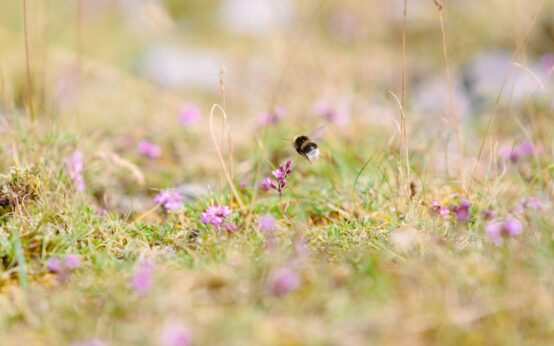 Introduction: The Alarming Decline of Bee Populations
 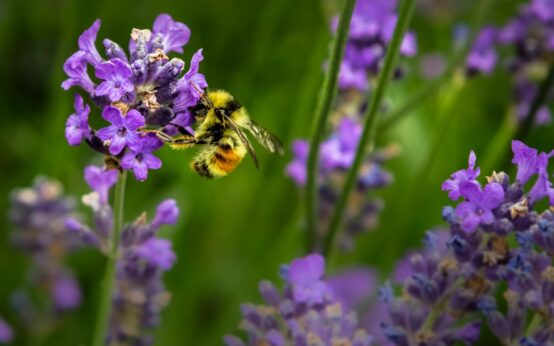 Understanding Different Bee Species
  Major Threats to Bee Populations
  The Economic and Ecological Impact of Bee Decline
  How Individuals Can Help Save the Bees