

Pollination Services: The Trillion-Dollar Ecosystem Service
Bees and other pollinators perform a critical ecological function that sustains both natural ecosystems and human agriculture. This ecosystem service—pollination—has been valued at between $235 billion and $577 billion annually worldwide, making it one of the most economically significant natural processes on our planet.
The scope of pollination services extends far beyond honey production. Approximately 75% of the world’s flowering plants and 35% of global crop production depend on animal pollinators. While the European honey bee (Apis mellifera) often receives the most attention, it represents just one species among thousands that contribute to this essential service. In North America alone, there are roughly 4,000 native bee species, with Utah hosting approximately 1,100 species that collectively pollinate about 75% of flowering plant species in diverse ecosystems.
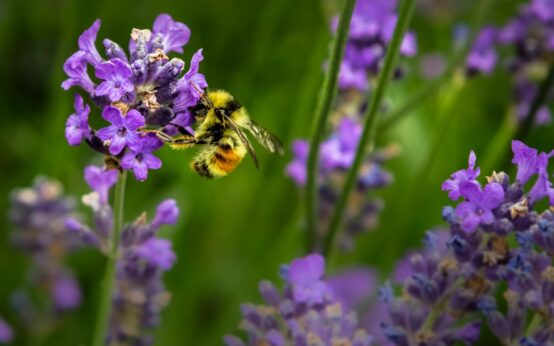
These native pollinators often outperform honey bees for specific crops. For instance, native bumble bees are more effective pollinators for tomatoes, peppers, and cranberries due to their ability to perform "buzz pollination," where they vibrate their bodies to release pollen from certain flowers—a technique honey bees cannot replicate.
The economic valuation of pollination services continues to increase as researchers develop more comprehensive models that account for both direct agricultural production and indirect benefits such as maintaining biodiversity, supporting wildlife food chains, and preventing soil erosion through plant propagation.
Effects on Global Food Production and Security
The decline of bee populations poses a significant threat to global food security. Approximately one-third of the food consumed by humans requires pollination, including many fruits, vegetables, nuts, and oilseed crops that provide essential micronutrients in human diets. These pollinator-dependent crops represent some of the most nutritionally dense foods available, containing vital vitamins, minerals, and antioxidants necessary for human health.
The impact of pollinator decline on agriculture is already measurable. Farmers in regions experiencing severe bee population losses report yield reductions of 20-50% for certain pollinator-dependent crops. This translates to higher production costs, increased food prices, and reduced dietary diversity for consumers worldwide.
Food security experts warn that continued pollinator decline could trigger:
- Reduced crop yields and quality across multiple continents
- Increased price volatility in agricultural markets
- Greater dependency on wind-pollinated staple crops (like wheat, rice, and corn), potentially leading to less nutritionally diverse diets
- Disproportionate impacts on small-scale farmers who lack resources for alternative pollination methods
The implications extend beyond immediate food production. As pollinator populations diminish, the genetic diversity of both cultivated and wild plant species decreases, making food systems more vulnerable to pests, diseases, and climate change—further compromising long-term food security.
Cascading Ecological Consequences of Pollinator Loss
The decline of bee populations triggers far-reaching ecological consequences that extend well beyond agricultural systems. Pollinators serve as keystone species in many ecosystems, creating ripple effects throughout food webs when their populations diminish.
When native bee populations decline, wild plant reproduction suffers first. Studies show that areas experiencing significant pollinator loss demonstrate reduced seed production, decreased genetic diversity in plant populations, and shifts in plant community composition. Plants that depend heavily on specific pollinators may face reproductive failure, potentially leading to local extinctions.
This vegetation change affects numerous wildlife species that depend on these plants for food and habitat. For example, many bird species rely on fruits and seeds from pollinator-dependent plants, while numerous mammals depend on these plants for both food and shelter. Research indicates that areas with declining pollinator populations often experience subsequent reductions in bird and small mammal diversity.
The ecological impacts cascade further as soil health deteriorates with changing plant communities. Many pollinator-dependent plants contribute to soil stability through their root systems and organic matter inputs. Their decline can accelerate erosion and reduce soil fertility, affecting watershed health and carbon sequestration capabilities.
Perhaps most concerning is the potential for ecological tipping points—thresholds beyond which ecosystems reorganize into fundamentally different states. Some ecologists warn that continued pollinator decline could trigger such transformations in vulnerable ecosystems, potentially leading to novel ecological communities with unpredictable properties and diminished ecosystem services.
Case Studies of Regions Affected by Bee Population Collapse
Maoxian County, China: Human Pollinators Replace Bees
In the apple and pear orchards of Maoxian County in Sichuan Province, China, an ecological and economic crisis emerged in the 1980s when excessive pesticide use and habitat destruction virtually eliminated native bee populations. Farmers were forced to resort to hand-pollination—a laborious process where workers transfer pollen using brushes made from chicken feathers and cigarette filters.
This manual pollination costs approximately $1,500 per hectare annually—roughly 20 times the cost of renting honey bee colonies in the United States. The economic burden has forced many farmers to abandon fruit production entirely, while others have seen profit margins shrink dramatically despite increasing fruit prices.
Almond Industry in California’s Central Valley
California produces approximately 80% of the world’s almonds, with an industry valued at over $5 billion annually. These orchards require the services of approximately 2 million honey bee colonies during the February bloom period—representing nearly two-thirds of all managed honey bee colonies in the United States.
As honey bee populations have declined, pollination service costs have more than tripled since the early 2000s, rising from about $50 per colony to over $200 in some regions. These increased costs have contributed to higher almond prices globally and placed economic strain on smaller orchard operations.
Additionally, the concentration of so many honey bee colonies in one region during bloom creates ideal conditions for disease and parasite transmission, potentially exacerbating colony health issues when bees return to their home regions.
Western Bumble Bee Decline in the Pacific Northwest
The western bumble bee (Bombus occidentalis) was once among the most common bumble bee species throughout the western United States and Canada. Since the late 1990s, this species has experienced catastrophic population declines, disappearing from much of its former range, particularly west of the Cascade Mountains.
This decline has significantly impacted both natural ecosystems and agricultural production in the region. Native plant communities show reduced seed set and genetic diversity, while berry crops that benefit from bumble bee pollination (including blueberries, cranberries, and raspberries) have experienced reduced yields and quality in areas where alternative pollinators cannot compensate.
Research indicates this decline stems from a combination of factors, including the spread of pathogens from commercially reared bumble bees, habitat loss, pesticide exposure, and climate change altering the synchrony between flowering plants and bee emergence patterns.
Conclusion on The Economic and Ecological Impact of Bee Decline
The decline of bee populations represents one of the most significant ecological and economic challenges of our time. The evidence is clear: bee population collapse threatens not only our food security but also the integrity of natural ecosystems worldwide. The estimated trillion-dollar value of pollination services barely captures the true worth of these insects to human welfare and ecological stability.
The factors driving bee decline—habitat loss, pesticide exposure, climate change, pathogens, and pests—are largely anthropogenic, suggesting that solutions must involve fundamental changes in how we manage landscapes and agricultural systems. The case studies from China, California, and the Pacific Northwest demonstrate that bee decline is not a theoretical future concern but a present reality with measurable economic and ecological consequences.
Moving forward, addressing this crisis requires a multifaceted approach: conservation of natural habitats, adoption of pollinator-friendly agricultural practices, reduced pesticide use, support for native bee populations, and continued research into bee health and disease management. The economic incentives for action are compelling, as the costs of preventive measures pale in comparison to the potential losses from continued pollinator decline.
The fate of bees is inextricably linked to our own. Their decline serves as both a warning and an opportunity—a signal that our relationship with natural systems requires recalibration, and a chance to demonstrate that ecological stewardship and economic prosperity can coexist when we recognize the true value of nature’s services.
 Save the Bees: Understanding the Crisis and Taking Action
  Introduction: The Alarming Decline of Bee Populations
  Understanding Different Bee Species
  Major Threats to Bee Populations
  Conservation Strategies for Beekeepers and Apiarists
  How Individuals Can Help Save the Bees