
The Critical Importance of Bees to Global Ecosystems and Food Security
Bees are often celebrated for their honey production, but their true value extends far beyond this sweet contribution. These industrious insects serve as keystone species in ecosystems worldwide, playing a fundamental role in maintaining biodiversity and supporting food production systems that feed billions of people.
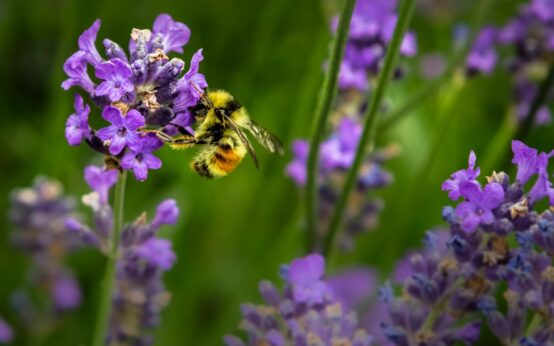
The pollination services provided by bees are essential for plant reproduction. As bees travel from flower to flower collecting nectar and pollen, they inadvertently transfer pollen grains, facilitating fertilization in plants. This process is crucial for seed and fruit production in both wild and agricultural settings. Approximately 75% of flowering plant species depend on animal pollinators, with bees being among the most efficient and effective pollinators in nature.
In agricultural contexts, bee pollination directly impacts about 35% of global crop production. Many fruits, vegetables, nuts, and seeds that comprise a nutritionally significant portion of the human diet—including apples, almonds, blueberries, and squash—rely heavily on bee pollination. Without these services, crop yields would dramatically decrease, food prices would rise, and nutritional diversity in human diets would suffer.
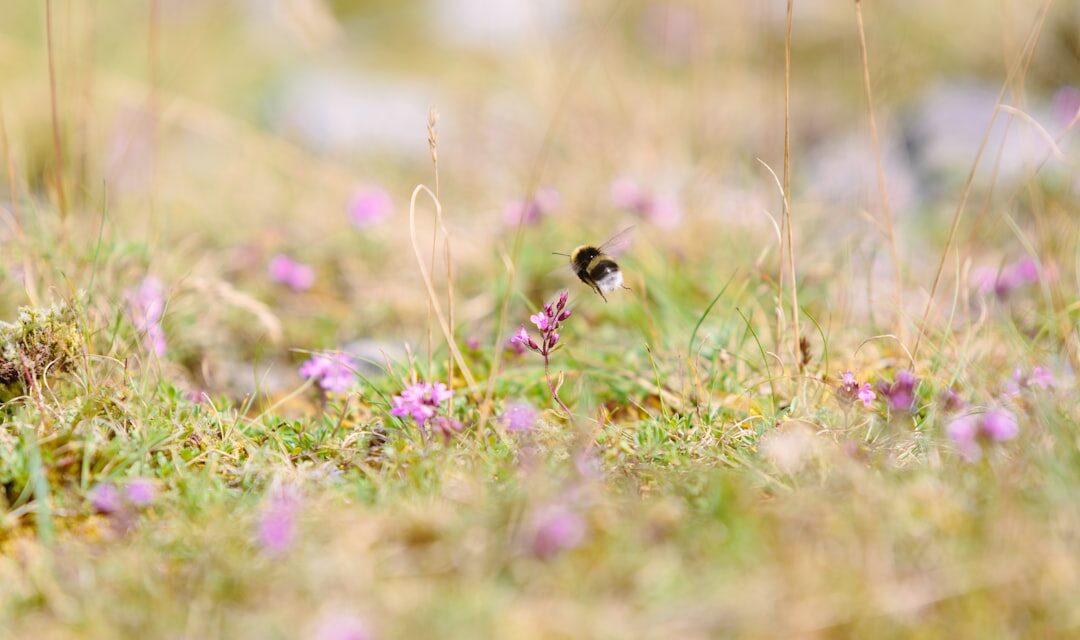
While the non-native honey bee (Apis mellifera) is often recognized as the most economically important pollinator, the roughly 4,000 native North American bee species—including approximately 1,100 species in Utah alone—contribute significantly to pollination services. These native bees, such as the western bumble bee (Bombus occidentalis), often pollinate plants more efficiently than honey bees and are adapted to specific local flora.
Overview of Global Bee Population Trends
The global trajectory of bee populations presents a concerning picture. Since the early 2000s, scientists and beekeepers have documented troubling declines in both managed honey bee colonies and wild native bee populations. This phenomenon, initially termed Colony Collapse Disorder (CCD) in honey bees, has evolved into a recognized global crisis affecting numerous bee species.
In North America, managed honey bee colonies have experienced annual losses averaging 30-40% in recent years—significantly higher than the 15-20% losses historically considered sustainable. Even more alarming are the trends among native bee species. According to research published in February 2022, numerous native bee populations have declined by 30-90% depending on the species and region.
The western bumble bee (Bombus occidentalis), once abundant throughout western North America, has experienced population reductions of nearly 93% in some regions. This dramatic decline led to its consideration for endangered species protection. Similar patterns have been observed in Europe, where approximately 9% of bee species face extinction and 37% show declining populations.
These declines are not isolated to a single cause but result from a complex interplay of factors:
-
Habitat loss and fragmentation: Urban development, industrial agriculture, and deforestation have destroyed and fragmented natural habitats, reducing nesting sites and floral resources.
-
Pesticide exposure: Neonicotinoids and other systemic pesticides can impair bee navigation, foraging behavior, and reproductive capabilities, even at sublethal doses.
-
Climate change: Altered weather patterns and seasonal shifts disrupt the synchronization between bee emergence and flowering times, potentially leading to resource mismatches.
-
Pathogens and pests: Parasites like the Varroa destructor mite and pathogens such as Nosema have devastated honey bee colonies, while also spilling over to affect native bee species.
-
Monoculture farming: Large-scale single-crop agriculture creates "feast or famine" conditions for pollinators, with brief periods of abundant resources followed by food deserts.
Why Everyone Should Care About Bee Conservation
The decline of bee populations represents more than just the loss of fascinating insects—it threatens fundamental ecological processes and human welfare in multiple ways.
First and foremost, food security hangs in the balance. The economic value of bee pollination services is estimated at $235-577 billion annually worldwide. Without adequate pollination, crop yields for many fruits, vegetables, and nuts would plummet, leading to higher food prices and reduced availability of nutritionally important foods. This impact would disproportionately affect vulnerable populations already struggling with food insecurity.
Beyond agriculture, bees support ecosystem health by pollinating wild plants that provide habitat and food for countless other species. The cascading effects of bee decline could disrupt entire food webs and ecological communities. Many flowering plants that depend on bee pollination also prevent soil erosion, sequester carbon, and contribute to water purification—all ecosystem services that benefit human communities.
The economic implications extend beyond food production. Industries ranging from pharmaceuticals to cosmetics rely on plant-derived ingredients, many from bee-pollinated plants. Additionally, the beekeeping industry itself supports livelihoods worldwide through honey production, beeswax, and pollination services.
From a cultural perspective, bees hold significance in human societies across the globe. They appear in art, literature, and religious symbolism, representing industriousness, community, and harmony with nature. The loss of these cultural connections would represent an intangible but meaningful impoverishment of human experience.
Perhaps most importantly, bee decline serves as a warning sign—a bioindicator of broader environmental degradation. The factors threatening bees also endanger other wildlife and ultimately human health. By addressing bee conservation, we simultaneously confront larger environmental challenges like habitat destruction, pesticide overuse, and climate change.
Conclusion
The alarming decline of bee populations represents one of the most significant ecological challenges of our time. These essential pollinators maintain biodiversity, support food production, and contribute to ecosystem resilience worldwide. The complex interplay of threats—from habitat loss and pesticides to climate change and pathogens—requires an equally multifaceted response.
The good news is that meaningful action is possible at multiple levels. Individual gardeners can create pollinator-friendly habitats by planting native flowering species, reducing pesticide use, and providing nesting sites. Consumers can support bee-friendly agricultural practices through their purchasing decisions. Policymakers can implement stronger protections for pollinators and incentivize sustainable farming methods.
Scientists continue to monitor bee populations and develop innovative conservation strategies, but they cannot succeed without broad public support and engagement. By recognizing the vital importance of bees to our food systems and natural environments, we can collectively work toward solutions that benefit these remarkable insects and, by extension, ourselves. The future of bees and the health of our planet are inextricably linked—and both depend on the choices we make today.
 Save the Bees: Understanding the Crisis and Taking Action
  Understanding Different Bee Species
  Major Threats to Bee Populations
  The Economic and Ecological Impact of Bee Decline
  Conservation Strategies for Beekeepers and Apiarists
  How Individuals Can Help Save the Bees