







Empower Change. Ignite Awareness.

Your hub for global causes and insightful articles.

our partners
Sponsor LogoSponsor LogoSponsor LogoSponsor LogoSponsor LogoSponsor LogoSponsor LogoSponsor LogoSponsor LogoSponsor LogoSponsor LogoSponsor LogoSponsor LogoSponsor LogoSponsor LogoSponsor LogoSponsor LogoSponsor LogoSponsor LogoSponsor LogoSponsor LogoSponsor LogoSponsor LogoSponsor Logo

Urban Green Spaces

1 Articles

EXPLORE
This call to awareness is sponsored by:

Water Conservation

9 Articles

EXPLORE
This call to awareness is sponsored by:

Urban Green Spaces: Essential Havens for Mental Health and Sustainable Cities

The Vital Role of Green Spaces in Urban Environments Urban green spaces encompass a diverse range of natural environments within city landscapes, including public parks, community gardens, green roofs, pocket parks, urban forests, greenways, and even street trees. These areas serve as vital counterpoints to concrete and steel that dominate urban environments, offering residents opportunities…
Major Threats to Ocean Health

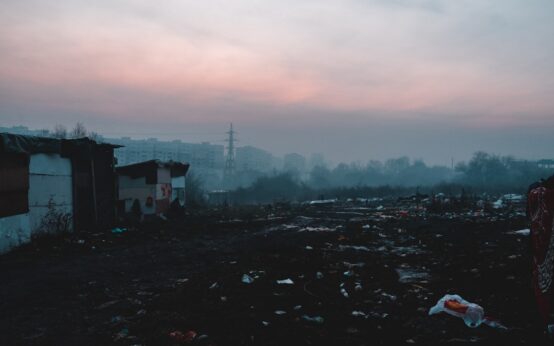
Marine pollution: Sources, spread, and consequences The world’s oceans face an unprecedented crisis of contamination from multiple sources, threatening marine ecosystems on a global scale. Marine pollution stems primarily from human activities both on land and at sea. Land-based pollutants, including agricultural runoff laden with pesticides and fertilizers, industrial waste, and untreated sewage, make their…

Introduction to Ocean Conservation

The Importance of Oceans to Global Ecosystems and Human Survival The vast blue expanses that cover more than 70% of our planet are far more than scenic vistas—they are the lifeblood of Earth. Oceans serve as the planet’s largest carbon sink, absorbing approximately 30% of carbon dioxide produced by human activities, thereby mitigating the impacts…

Ocean Conservation: Challenges, Solutions, and Our Role in Protecting Marine Ecosystems
Introduction to Ocean Conservation The world’s oceans cover more than 70% of our planet’s surface, serving as the lifeblood of Earth and humanity. These vast blue expanses are not merely beautiful backdrops for vacation photos but are essential, dynamic ecosystems that regulate our climate, produce over half of the world’s oxygen, absorb carbon dioxide, and…

Community and Policy Solutions

Advocating for Bee-Friendly Policies and Regulations The alarming decline in bee populations worldwide has prompted urgent calls for policy interventions at all levels of government. Effective advocacy for bee-friendly policies begins with understanding the critical role these pollinators play in our ecosystems and food systems. Native and managed bees provide essential pollination services, contributing to…

How Individuals Can Help Save the Bees
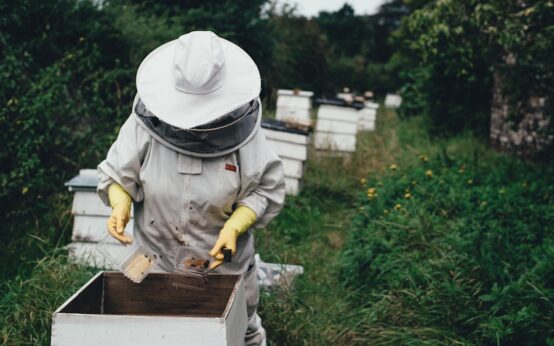
How Individuals Can Help Save the Bees Bees are facing unprecedented challenges worldwide, with many species experiencing significant population declines. These essential pollinators contribute immensely to our ecosystems and food systems, with both native and managed bees providing crucial pollination services. While the non-native honey bee (Apis mellifera) often receives the most attention, North America…

Conservation Strategies for Beekeepers and Apiarists

Best Practices in Apiary Management The global decline in bee populations has become a critical concern for ecosystems and agriculture worldwide. As essential pollinators, bees contribute significantly to biodiversity and food production. For beekeepers and apiarists, implementing effective conservation strategies is not just beneficial—it’s necessary for the survival of these vital insects. Successful apiary management…

The Economic and Ecological Impact of Bee Decline

Pollination Services: The Trillion-Dollar Ecosystem Service Bees and other pollinators perform a critical ecological function that sustains both natural ecosystems and human agriculture. This ecosystem service—pollination—has been valued at between $235 billion and $577 billion annually worldwide, making it one of the most economically significant natural processes on our planet. The scope of pollination services…

Major Threats to Bee Populations

Habitat Loss and Fragmentation Due to Urban Development and Agriculture The landscape of our planet is changing rapidly as human populations expand, and with this expansion comes one of the most significant threats to bee populations worldwide: habitat loss and fragmentation. Natural habitats that once provided bees with abundant nesting sites and diverse floral resources…

Understanding Different Bee Species

Understanding Different Bee Species Honey bees: Their role and challenges Honey bees (Apis mellifera) have become the face of pollination worldwide. These non-native, social insects are managed extensively for agricultural pollination services and honey production. Their colonies, containing thousands of workers, a queen, and male drones, represent one of humanity’s oldest examples of animal husbandry….

Load More Posts